
Tea Ceremony in Kotohira is an easy way to experience one of Japan’s most famous cultural traditions without dealing with the crowds you often see in bigger tourist hubs. Tea ceremony is part of Japanese daily culture and history, and it’s something many travelers want to try at least once while they’re in Japan. In Kotohira, the experience can feel a little more authentic simply because the town’s quieter, and you’re less likely to be surrounded by dozens of other visitors doing the exact same thing at the same time.
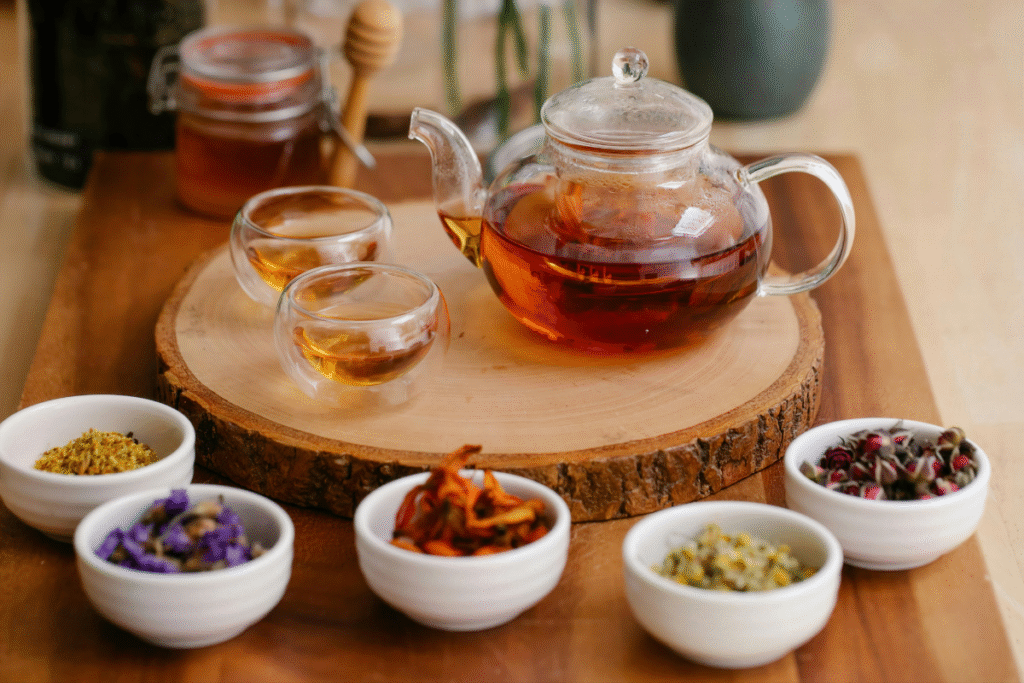
Let me introduce you to tea ceremony, and how you will be able to appreciate this experience.
Table of contents
Tea ceremony in Japan
Tea ceremony in Japan is a cultural practice that turns something simple into something meaningful. On the surface, it’s about preparing and drinking tea. In reality, it’s about how you welcome someone, how you show respect through small gestures, and how you create a calm moment that feels separate from the rest of the day.
What makes tea ceremony so fascinating is that everything has a reason. The way the host moves, the way the tea is prepared, and the way the guest receives the cup or bowl are all part of a shared etiquette. It isn’t about being strict or perfect, though. It’s more like a quiet language.
Tea & Seasonality
ea ceremony is also deeply connected to the seasons. In Japan, seasonality isn’t just a detail, it’s the heart of the experience. The tea changes with the time of year, and the sweets change too, with flavors, colors, and shapes that match the season. Even the kimono follows that seasonal logic, with patterns and colors chosen to fit the moment, whether it’s spring blossoms, summer freshness, autumn tones, or winter simplicity. You’ll usually be served seasonal wagashi, often made with rice paste and sweet bean paste, designed to reflect what’s happening outside. It’s a small detail, but it’s what makes the ceremony feel so grounded in time and place.
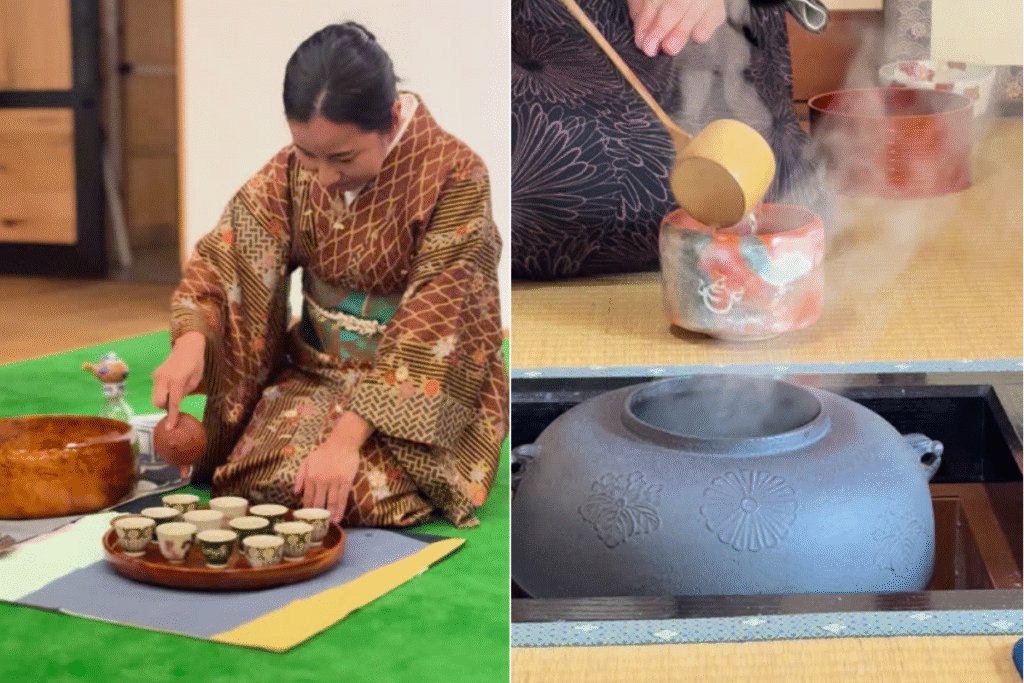
Tea ceremony is also tied closely to Japanese aesthetics and the idea that beauty comes from simplicity and balance. That’s why the experience often feels quiet and minimal, but never empty. It’s designed to make you notice small details you’d normally miss.
And while many people only think of matcha, Japan also has a sencha tea ceremony tradition that’s quite different in style and atmosphere. I’ll break down both so you can understand what to expect, and how to enjoy each one.
Sencha tea ceremony
Sencha is the green tea most people in Japan actually drink day to day. Its story is closely tied to how tea culture evolved beyond temples and formal tea rooms. While matcha was historically connected to Zen practice and elite tea gatherings, sencha grew in popularity later as loose leaf tea became more common and more accessible. Sencha culture also developed its own refined world, with tea masters, specific utensils, and a ceremony that highlights aroma, clarity, and the changing character of the leaves across multiple infusions.
How to drink it
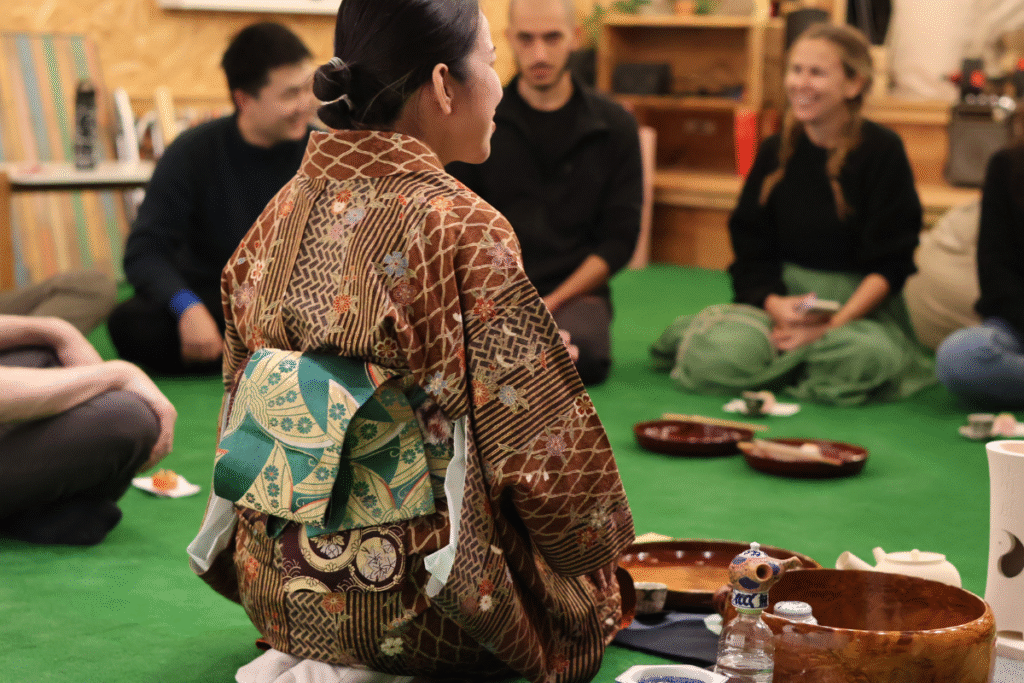
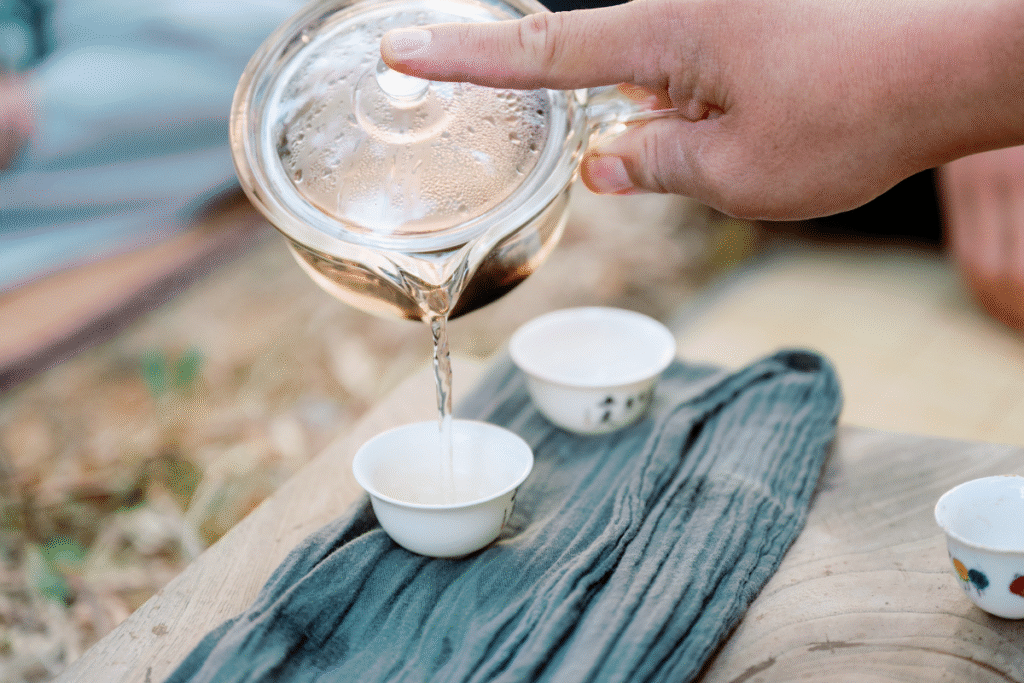
A sencha tea ceremony is organized around careful brewing in a small teapot and serving tea in tiny cups. The host pays close attention to water temperature and timing, because sencha can become harsh if it’s brewed too hot or too long. Everything feels deliberate but not rigid. As a guest you’re guided through the flow without needing to know rules in advance.
One of the most striking parts of a sencha ceremony is how little tea you receive at a time. You might only get a few drops in your cup. That’s intentional, because ceremonial sencha is concentrated and powerful. You taste it slowly, often right on the tip of your tongue, and the flavor can feel surprisingly intense for such a small amount.
Second sip
Then you return the cup and the tea is served again. This second serving is a key part of the experience. The first infusion opens the leaves, and the second draws out even more character. The taste often becomes deeper and stronger, and you start noticing how the tea shifts, not just in strength but in texture and aftertaste too. It’s a quiet way of training your palate, because you’re not rushing through one big cup. You’re tasting change, one small sip at a time.
Seasonal sweet
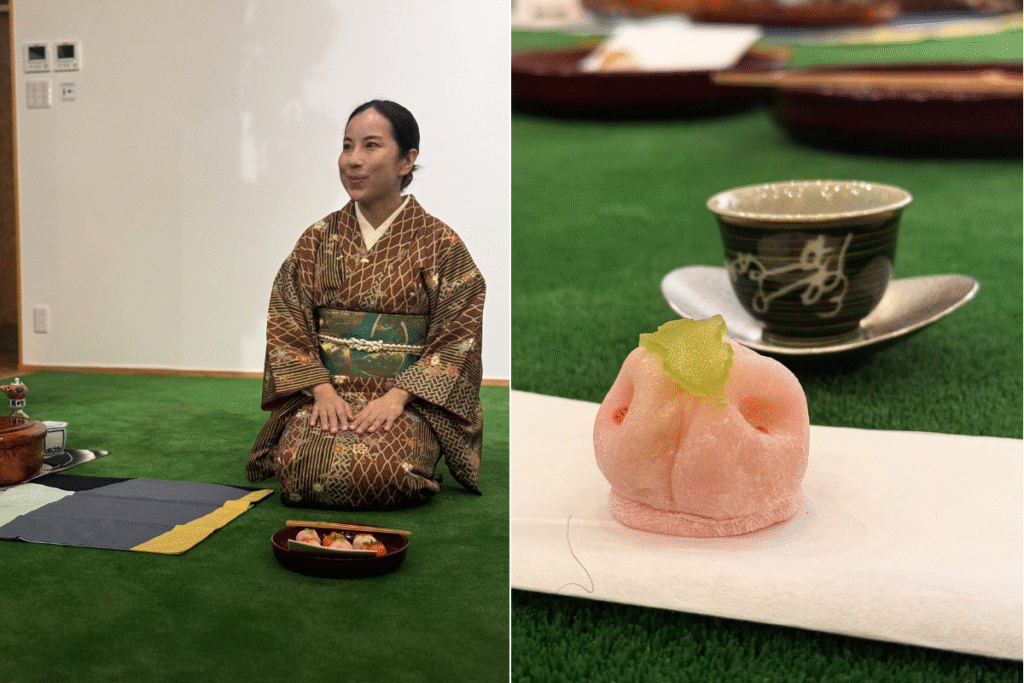
After the tea, you’ll usually be served a seasonal sweet, often wagashi made from rice paste and sweet bean paste. The sweet isn’t random. Its colors and design reflect the season, and it’s there to complete the moment rather than distract from it. After the sweet, you may be offered hot water, which helps warm the body and gently reset your palate.
Tea room made for sencha
The space itself often supports the style of the ceremony. Sencha tea rooms commonly have windows and a sense of airflow, which gives the room a lighter feeling and keeps the atmosphere comfortable while tea is being prepared and enjoyed. You don’t need to analyze it while you’re there, but you’ll probably feel it.
In Kotohira, you can enjoy this kind of sencha tea ceremony in a way that feels grounded in local life. It’s not a town where tea experiences are built around crowds or fixed tourist schedules, so the best ceremonies are often found through local connections. If you want to experience sencha tea ceremony in Kotohira, ask locals, or ask Kotori staff to help you find the best option in town or organize something special.
Matcha tea ceremony
Matcha tea ceremony has a long history in Japan, and it’s the matcha style in particular that became the most formalized and loaded with symbolism. Over the centuries, this matcha based ceremony grew into a cultural space where etiquette mattered deeply, including for the warrior class. During periods when samurai culture shaped society, the matcha tea room was treated as a place with its own rules, where weapons and status were left outside.
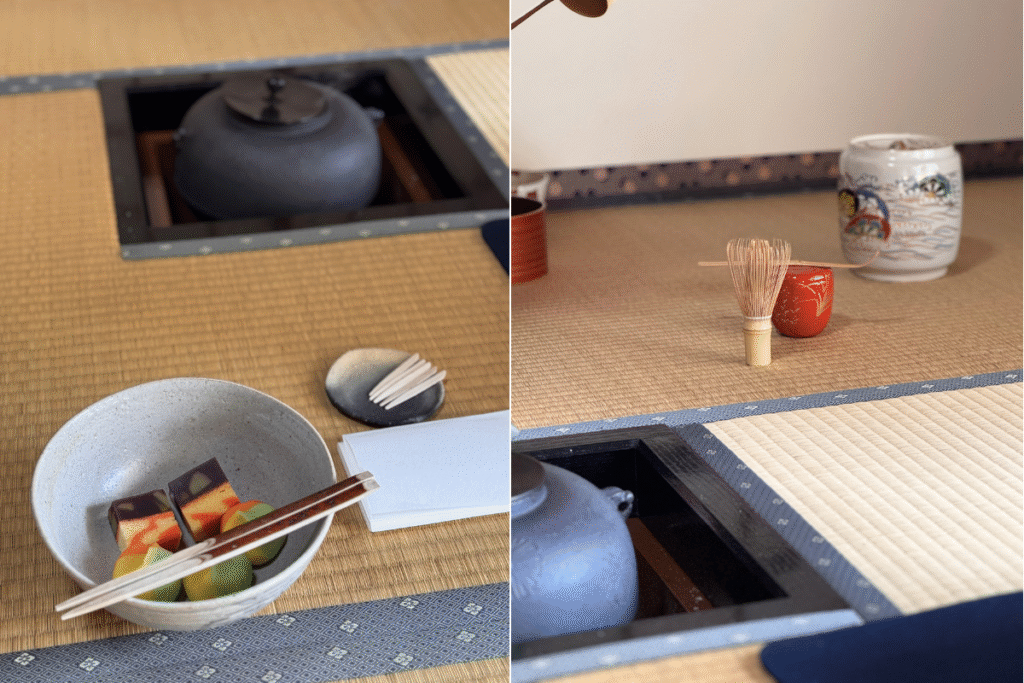
That idea wasn’t just symbolic. Traditional matcha tea rooms were designed to create humility and calm, and one famous detail is the small entrance that forces everyone to bow to enter. The message was clear: once you step into a matcha tea ceremony, you’re not there to show power. You’re there to share a peaceful moment, on equal ground, with respect.
A specific place
That history is one reason matcha tea ceremony still keeps its etiquette today. The gestures aren’t there to be decorative. They exist because the ceremony was built to protect the mood of the room and the relationship between host and guest.
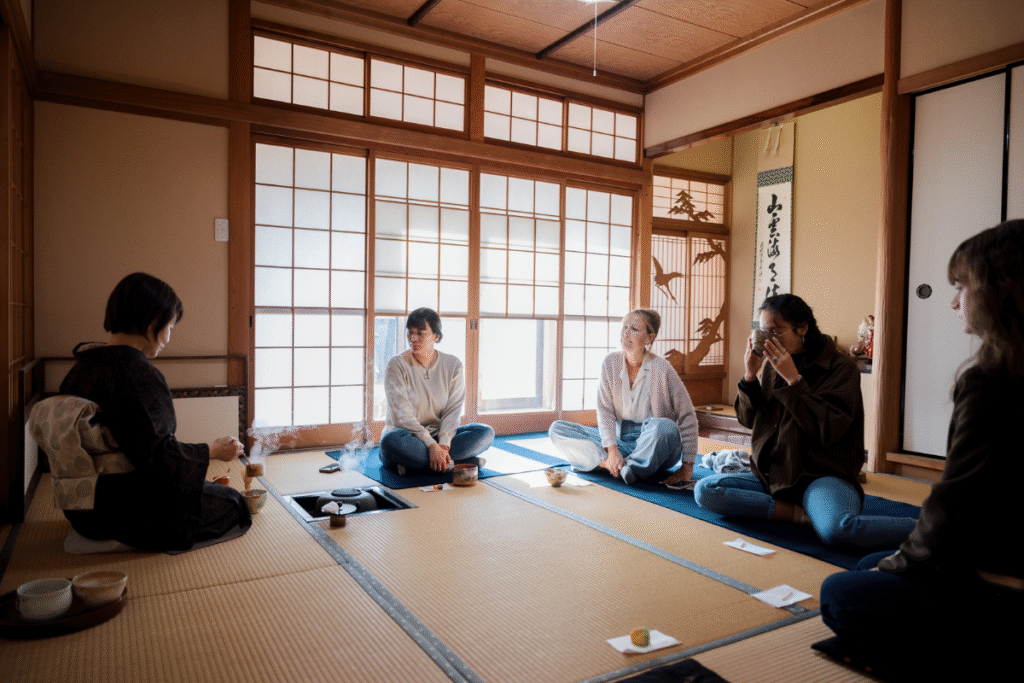
A matcha tea ceremony usually feels intimate from the start. The space is often quiet and minimal, designed to keep your attention on what’s happening in front of you. Matcha tea rooms are commonly more enclosed, sometimes without windows, which helps create a feeling of separation from the outside world. It’s also common for matcha ceremonies to be hosted one on one, or with a very small number of guests, so the experience can feel personal and almost meditative.
What to do as a guest
You don’t need to memorize every rule, but knowing a few key gestures helps you relax and enjoy the moment. No worries, tea master will explain you rules and gestures if you’re “beginner”.
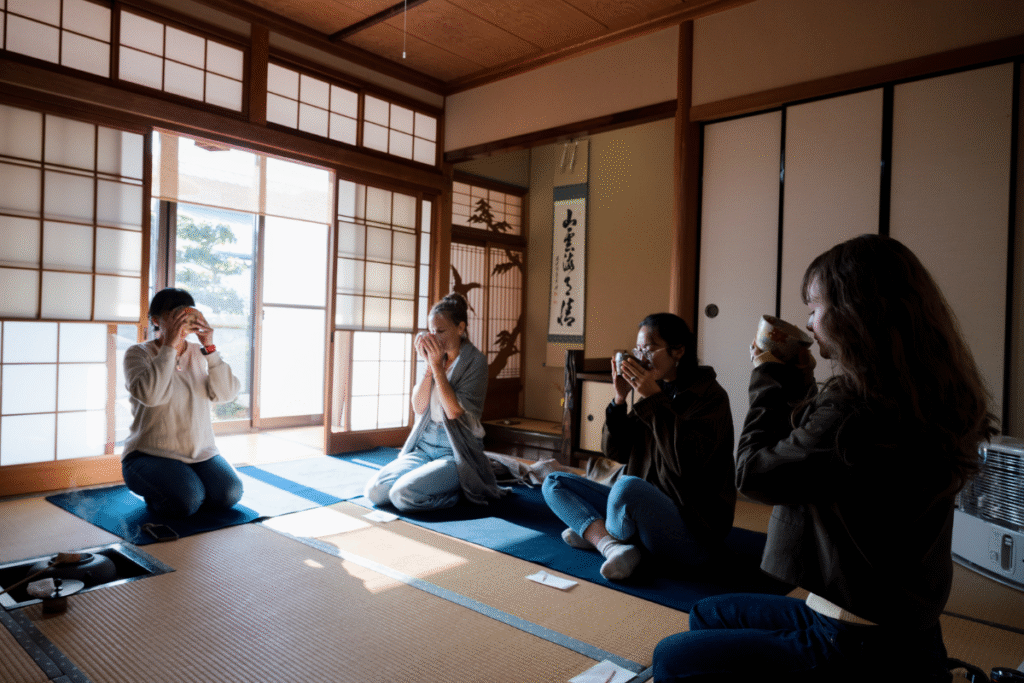
The host will guide the order of serving, and the first guest served has a special role. That person sets the tone by acknowledging the host and the other guests before drinking. When you receive the matcha bowl, you’ll usually hold it with two hands as a sign of respect. Before drinking, it’s common to turn the bowl slightly so you’re not drinking from the front, which is treated as the most important side of the bowl. It’s a small movement, but it’s one of the clearest signs that you understand the spirit of a matcha tea ceremony.
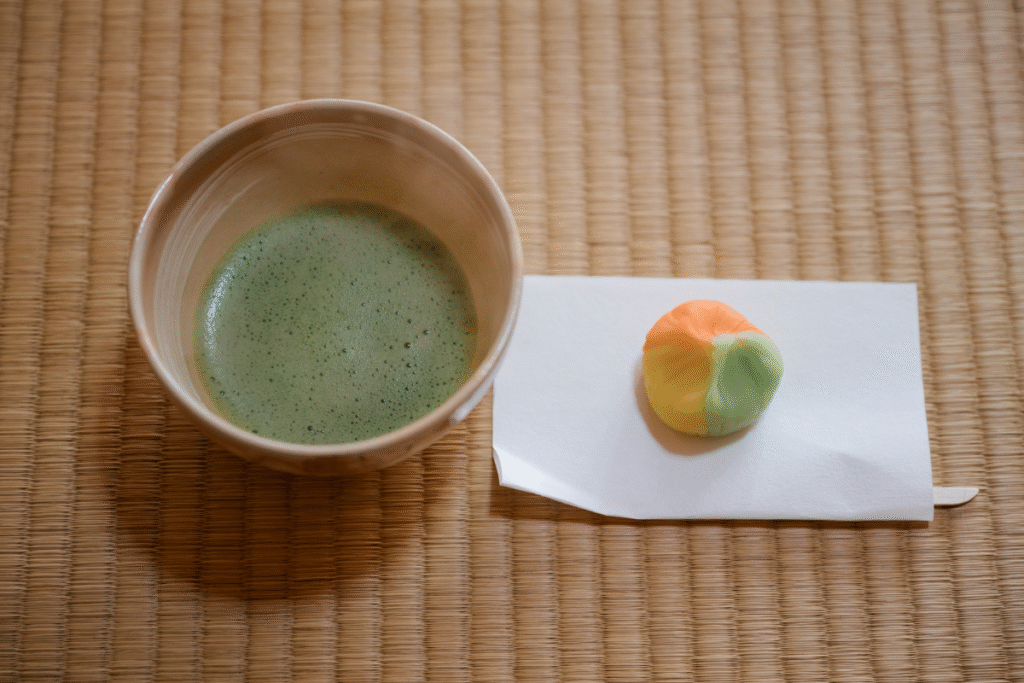
You’ll often start with a seasonal sweet, because matcha is naturally bitter and the sweet helps balance it. The wagashi is usually made with ingredients like rice paste and sweet bean paste, and it’s chosen to match the season through its colors and design.
Preparation part of the ceremony
the host prepares the matcha by measuring the powder, adding hot water, and whisking it into a smooth, bright green tea with a light foam on top. When it’s time to drink, you’ll take a few sips, and the last sip is traditionally finished with a soft audible slurp. It isn’t rude in this context. It’s a subtle way to show appreciation and signal you’ve finished.
Once you’re done, you’ll often wipe the rim lightly with your fingers and then look at the bowl for a moment before returning it. That pause is part of the respect too. You’re acknowledging the craftsmanship and care behind the bowl and tools, not only the tea.
Drinking matcha this way is completely different from grabbing a matcha latte at a cafe. The flavor is stronger, more direct, and the bitterness is part of the point. It wakes up your senses and makes you slow down.
Matcha ceremony in Kotohira
In Kotohira and around Kagawa, it’s possible to experience matcha tea ceremony in a way that feels more local than what you often find in big tourist centers. If you’re staying at Kotori, ask the staff, and especially ask Chebi. She can help organize a tea ceremony with her mom, who’s been a tea master for decades. Your matcha tea ceremony in Kotohira feels personal, calm, and connected to the town rather than staged for visitors.
Final thoughts
Tea ceremony in Kotohira is the kind of experience that works best when you let it be simple. You’re not there to rush through a performance or collect a perfect photo. You’re there to slow down, follow the rhythm, and notice how much care can be packed into a few quiet gestures.
Sencha and matcha offer two very different moods, but they both carry the same core idea: attention is a form of respect. Once you’ve experienced that, you start seeing it everywhere in Japan, in the way people welcome guests, in the way seasonal details show up in daily life, and even in the way small routines can feel intentional.
Kotohira is a great place to try tea ceremony because the town’s naturally calm That doesn’t make the tradition more special than elsewhere in Japan, but it can make your moment feel more personal. It’s an occasion to meet some locals, ask questions about traditions and practices. It’s not just in activity, it’s a way to go deeper in the culture in an authentic and beautiful way.
If you’re staying at Kotori Coworking & Hostel, don’t hesitate to ask the staff to help you find the right experience, whether you’re curious about sencha, matcha, or something more private and local.
FAQ
Do I need to know the rules before joining a tea ceremony in Kotohira?
No, you don’t. A good host will guide you through the flow, and you can follow along without stress. If you’re calm, attentive, and respectful, you’re already doing what matters.
What should I wear for a tea ceremony?
You don’t need a kimono. Clean, simple clothes are perfect. But you can also decide to combine experience and wear a traditional kimono for your tea ceremony in Kotohira.
How long does a tea ceremony usually last?
It depends on the host and the style, but many ceremonies last around an hour, sometimes a bit more. The pace is slow on purpose, so it can feel longer in a good way.
What’s the main difference between sencha and matcha ceremony as a guest?
In a sencha tea ceremony, you’ll taste small servings of brewed tea, often more than once, and you’ll notice how the flavor changes. In a matcha tea ceremony, you’ll usually eat the sweet first, then drink one bowl of whisked matcha, with more focus on formal gestures and a quiet, enclosed atmosphere.
Is it normal that sencha is served in only a few drops?
Yes, it’s normal. In a ceremonial setting, sencha is often served in tiny cups with a small amount so you can focus on the concentrated flavor and taste it slowly.
Can I do a tea ceremony in Kotohira without booking a tourist package?
Often, yes, but you’ll usually need local help to find the right person. Kotohira is less touristy, so experiences aren’t always advertised openly. If you’re staying at Kotori, ask the staff to connect you, and ask Chebi if you want to organize a matcha ceremony with her mom, a tea master for decades.
Is tea ceremony okay for small groups?
Sencha ceremonies can work nicely for small groups. Matcha is often more intimate, sometimes one on one or with very few guests, depending on the tea master’s style.
About the author
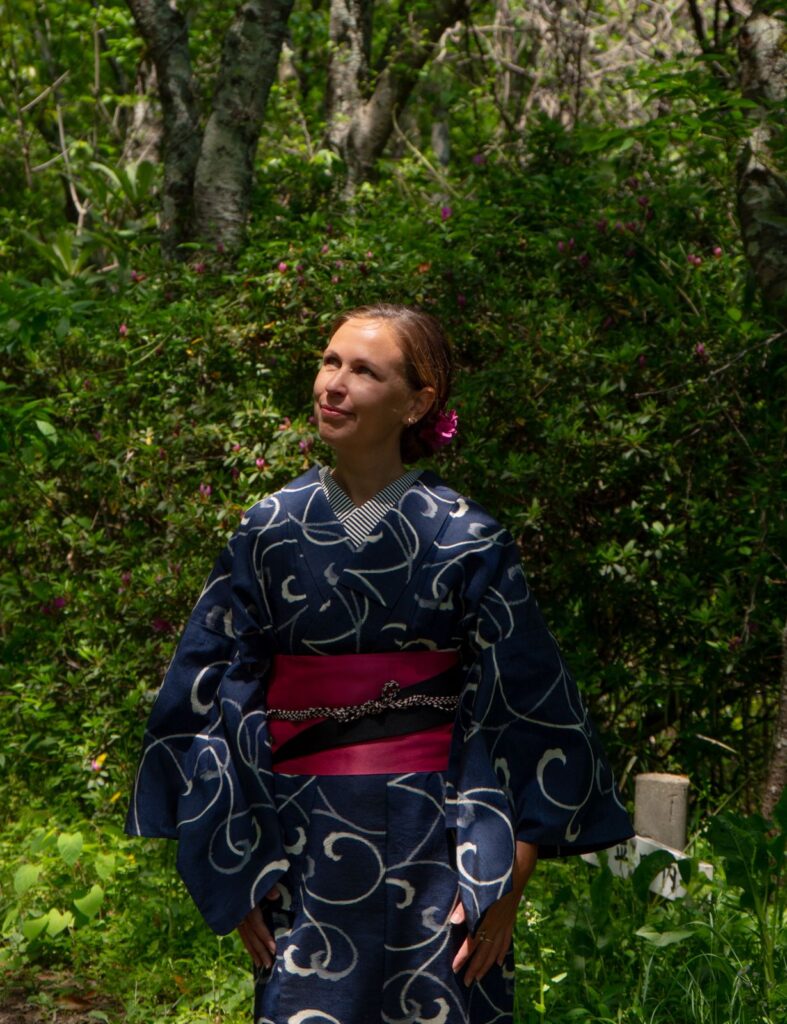
Manon, is a digital nomad and content creator. She lives between time zones, works between getaways, and shares the beauty of this joyful mess.