
Gin and Natsuho are creating a place in Kotohira where art, coffee, and everyday conversations meet. Their project, Hakobune, is a coffee shop as well as a creative base for locals, travelers, and artists in residence. Their story began with a return to Shikoku, a few empty buildings full of potential, and a shared wish to make art accessible to everyone.
Who is Gin?
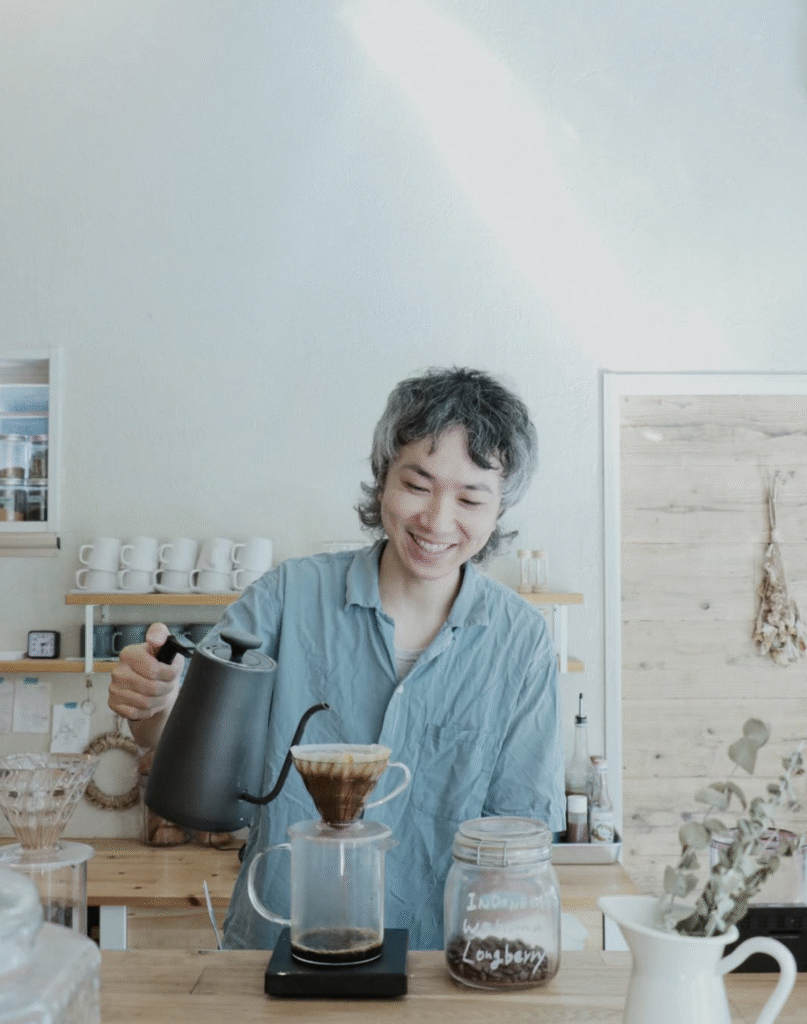
Gin is from Okayama Prefecture. His background blends movement and media. He used to dance and still loves it, but today his focus is running Hakobune and working as a video editor. Dance remains a passion project he hopes to grow in the future.
He moved to Kotohira because a relative had a house he could renovate. The place was much larger than anything he could have in Okayama, so he decided to rebuild it and create a project that reflects his personality. At that time he was fully remote and able to work from anywhere, which made the move to Kotohira easy.
He restored the house and opened a café, a place that brings tourists and locals together.
Who is Natsuho?
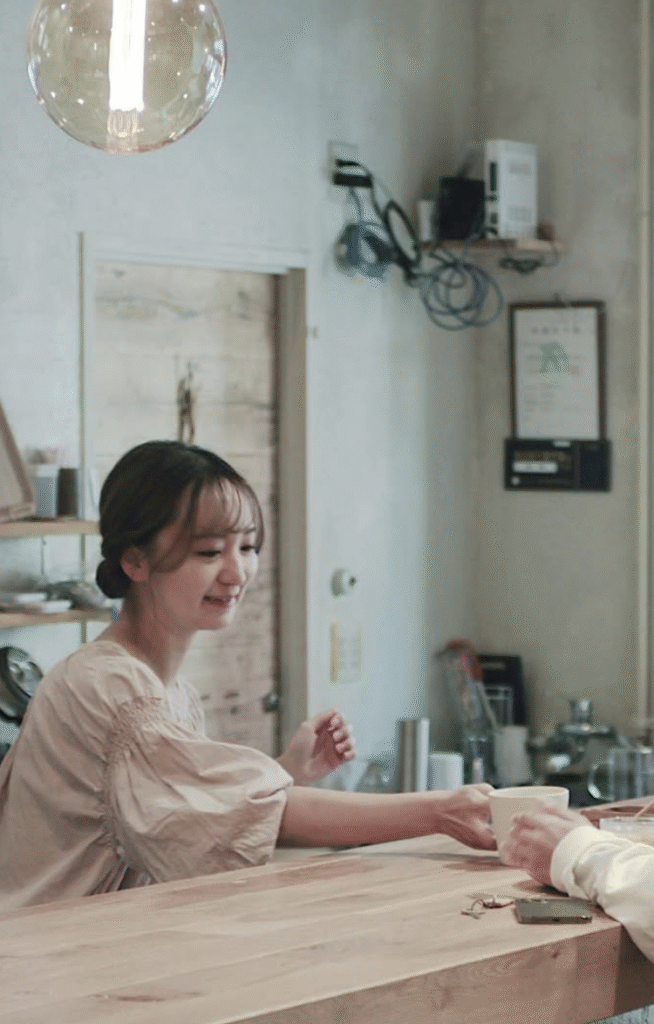
Natsuho was born and raised in Kagawa Prefecture and lived in Takamatsu before moving to Tokyo to study nursing. After a couple of years she realized the field didn’t fit her artistic mindset, so she changed direction and studied art and graphic design. She came back to Kotohira during Covid because it was simpler and less expensive to live with her family. She stayed after meeting Gin and wanting to be part of the Hakobune project.
At Hakobune she focuses on the café, Sando Sand. Stand, and the day to day experience. She handles design and small curation, talks with visitors at the counter, and plans simple programs that connect art with daily life.
What is Hakobune?
Hakobune grew out of Gin’s long held idea to create an art space and a shared place for friends and artists. He ran his own café from 2018 to 2021, and the concept kept developing. The project truly began when M. Udon showed him the abandoned building that Hakobune now occupies. Gin had worked on similar projects in Okayama and immediately felt this was the right site. The objective was, and still is, to build a playground for everyone with a café, artist residencies, exhibitions, and events. “In a tourist town like Kotohira, people come without creating anything here. I want to create a space for co-creation,” explains Gin.
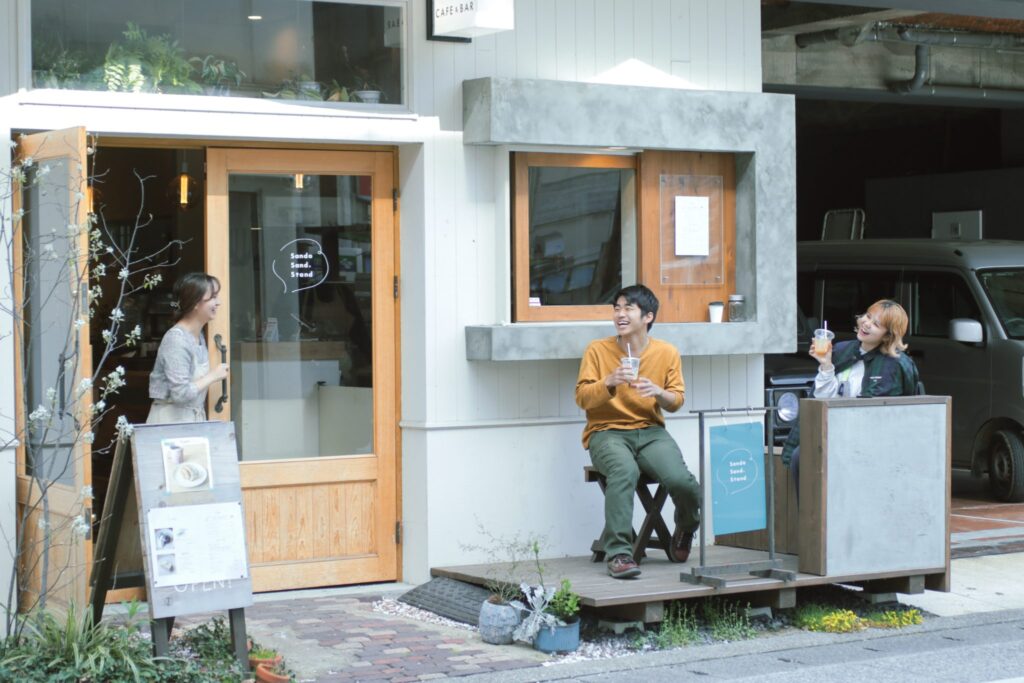
1st step : Sando Sand. stand
The building needed heavy renovation. There is still work to do, but between 2021 and 2022 Gin and friends renovated the first floor and in November 2022 opened Sando Sand. Stand, the café that Natsuho runs every day. It serves excellent sandwiches and coffee, gives people a quiet place to talk or work for a few hours, and includes a small open space at the back where they invite artists to exhibit.
Hakobune today
The building is organized by floors:
- 1st floor: Sando Sand. stand café, plus a small open space at the back for exhibitions.
- 2nd floor: an open space for events such as exhibitions, music, and meetings.
- 3rd floor: a creation floor with tools where artists can make work during their residency before showing it at Hakobune.
- 4th floor: the residence, with beautiful rooms and views, and a shared lounge with sofas for talking, relaxing, and letting ideas develop.
So far a few artists have come since opening. For example, a painter stayed for a month and created work inspired by conversations and encounters in Kotohira. Gin and Natsuho select artists whose projects match them and their vision.
Some memories with nomads
Natsuho shared two moments that defined how she sees nomads in Kotohira.
Opening exhibition and onigiri party
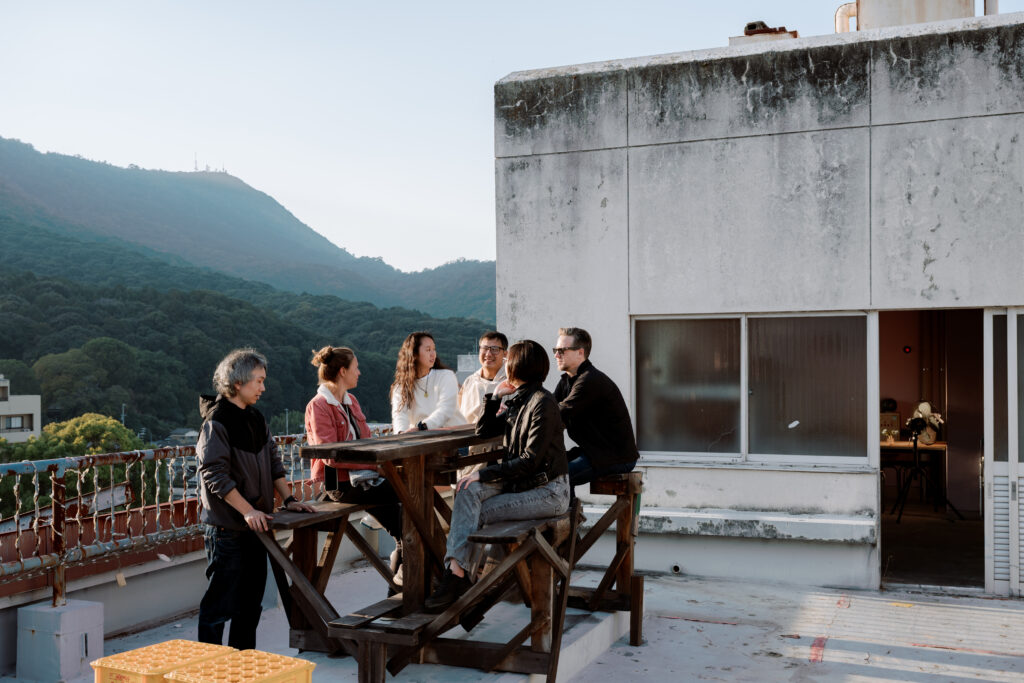
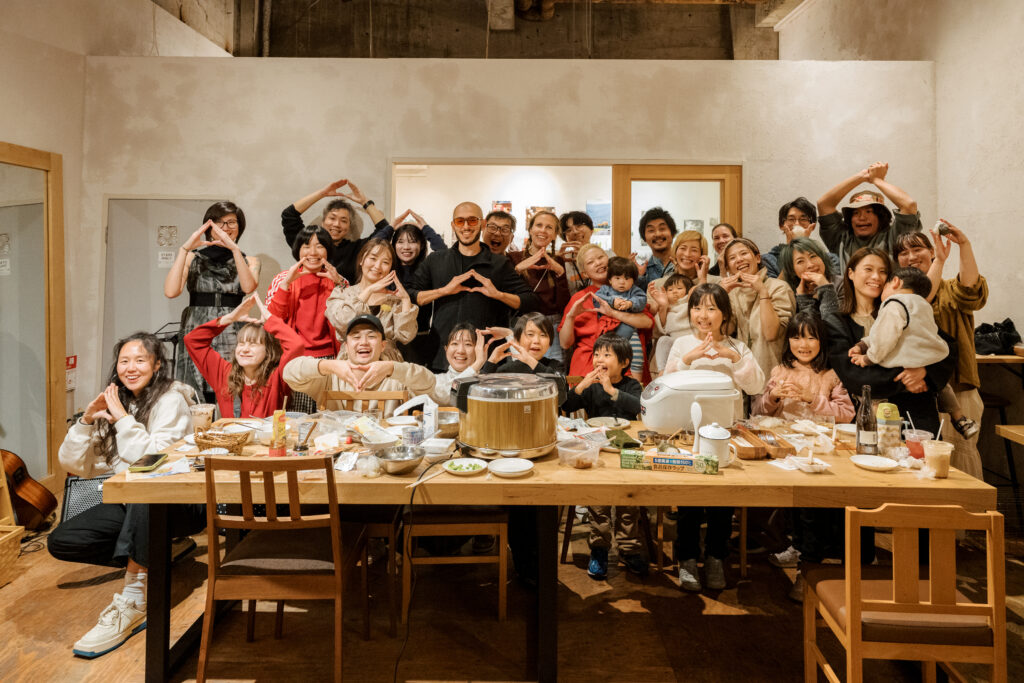
A non Japanese digital nomad who was staying at Kotori for a few months presented her photos of Kotohira at Hakobune. It was a chance to see the town through a foreigner’s eyes. The opening turned into a community gathering with a small concert and an impromptu dance offered by an artist who happened to pass through Hakobune that day. Then everyone learned to make onigiri together. Nomads and locals mixed ingredients people had brought and shaped their own rice balls by hand. For Natsuho, onigiri is not only a famous Japanese food. It is finger food and soul food made by hand, which makes sharing and connection easy. The evening was full of laughs and felt less like nomads and locals, and more like human beings enjoying a moment together.
Co-creating and… returning!
” Charles, a digital nomad who stayed at Kotori for a month, co-created with us at Sando Sand. Stand and across Hakobune. He’s a tea master who travels between China, the United States, and Taiwan. It was our first time hosting this kind of event, and when he offered to set up an art space in the café and even come back for an artist residency, it clicked. Charles doesn’t want to create and leave. He wants to return because Kotohira and Hakobune inspire him. It showed us that digital nomads aren’t just passing through. When they stay longer they can blossom, make work, and build relationships that feel special and meaningful “.
The second pop up coliving organized by Alt Chiang Mai and Kotori gave Natsuho a real chance to connect with nomads. She felt part of the community, met people again and again at workshops and events, and shared more each time. Co creation came naturally, as the two memories show, and there was plenty of simple fun. One night they even organized a building wide game of hide and seek across Hakobune, a memory everyone still laughs about.
Conclusion
Gin and Natsuho are building more than a café and art space. Hakobune is a place where people participate, not just pass through. When visitors stay a little longer, they make things with locals, share skills, and leave real connections behind.
The second pop up coliving with Alt Chiang Mai and Kotori Coworking & Hostel confirmed it. Kotohira is a good base for digital nomads who want community, quiet focus, and room to try ideas. Hakobune offers all three under one roof. If you are coming to Kotohira, stop by Sando Sand. Stand for a sandwich and coffee, see what is happening on the other floors, and ask how to join in. Bring a small project, propose a workshop, or simply meet the neighbors. That is how this place grows, one shared moment at a time.
FAQ
Who are Gin and Natsuho?
They are the couple behind Hakobune in Kotohira. Gin runs Hakobune and works as a video editor. Natsuho runs the café, Sando Sand. stand, and looks after the day to day experience, design, and small curation.
What is Hakobune?
A multi floor space that combines a café with areas for creation, exhibitions, events, and an artist residence. The aim is to make art accessible and encourage co creation.
Can I work from Sando Sand. Stand?
Yes, the cafe welcomes digital nomads. Learn more about cafes to work from in Kotohira in the full article.
What is the goal of Hakobune?
To be a playground for everyone with a café, artist residencies, exhibitions, and events, and to give people who might not visit museums an easy way to meet art in an open space.
How can someone take part?
Visit Sando Sand. stand, check what is on in the exhibition and event spaces, and speak with Gin or Natsuho about upcoming programs or ways to get involved.
About the author
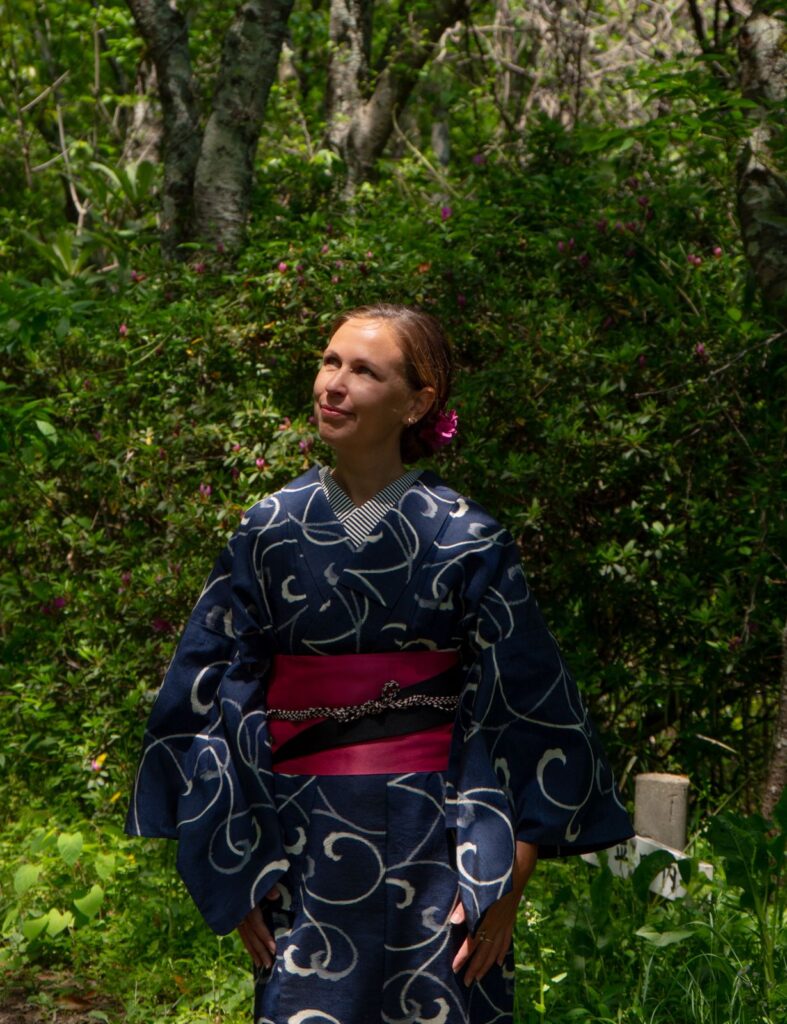
Manon, is a digital nomad and content creator. She lives between time zones, works between getaways, and shares the beauty of this joyful mess.