
Takamatsu rewards curiosity once you leave the center. A car turns distant hills into easy stops, and it’s the best way to roam freely. Explore temples on a famous pilgrimage, tucked high in the hills. Step into Kagawa’s folk history at an open-air village. Ride the funicular and enjoy wide views over the city. Shape the day to your interests, from Seto Inland Sea to art museums or the aquarium. Here are practical tips for a day trip around Takamatsu by car, starting from Kotohira.
Table of Contents
- Takamatsu on the Shikoku Pilgrimage
- Takamatsu and history at Shikoku Mura
- Yashima: temple, views, and sunset
- Takamatsu for art lovers
- Practical driving notes
- Conclusion
- FAQ – Organize your Takamatsu exploration by car
Takamatsu on the Shikoku Pilgrimage
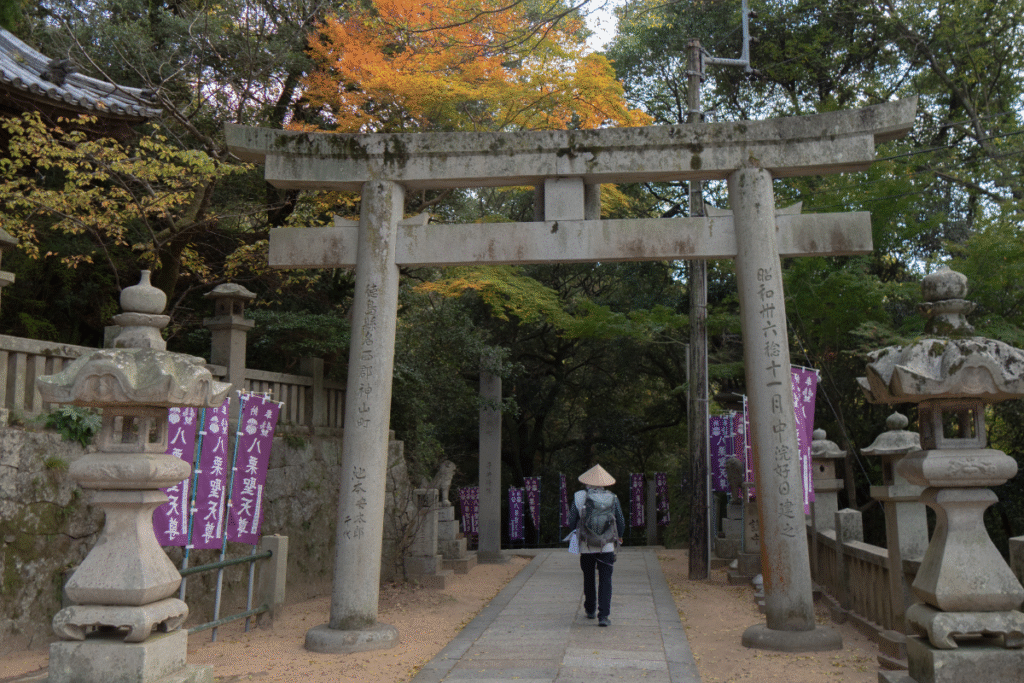
The Shikoku Pilgrimage traces 88 temples linked to Kūkai. It circles the island for about 1,200 kilometers. Pilgrims collect stamps in a nokyōchō and walk in simple white. Three of those temples sit inside Takamatsu: 83, 84, and 85.
Yakuri-ji
Temple 85 sits on Mt. Goken above the coast. Ride the Yakuri Cable first, then wander into Yakuri-ji at your own pace. The precinct feels intimate, with cedar shade and stone lanterns guiding quiet paths. Pause at the main hall to ring the bell and watch incense curl. Side halls sit against rock and pines, inviting a slow, respectful loop. Pilgrims line up for the nokyōchō stamp, which marks the visit with date and calligraphy. Take a few extra steps along the ridge paths, then float back down by cable with the city in frame.
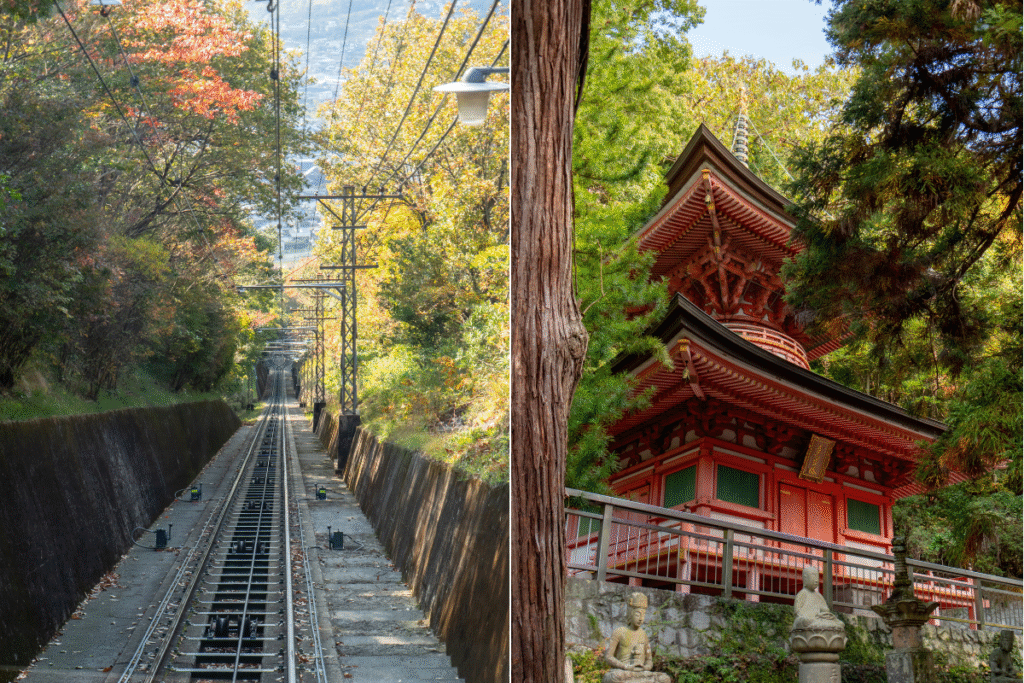
If you prefer to hike
There is a forest trail from the base. It is steep, shaded, and rewarding. Benches break the climb at good intervals. Drive, ride, or hike. The reward at the top feels the same.
How to link the three in one day
Temple 83 rests on the plain near Busshozan and Temple 84 crowns the Yashima plateau. Total walking is roughly 22 km. Pure walking time is about 6 to 6.5 hours. Add 1.5 to 2.5 hours for temple visits and breaks. Plan a full 8–9 hour day.
Takamatsu and history at Shikoku Mura
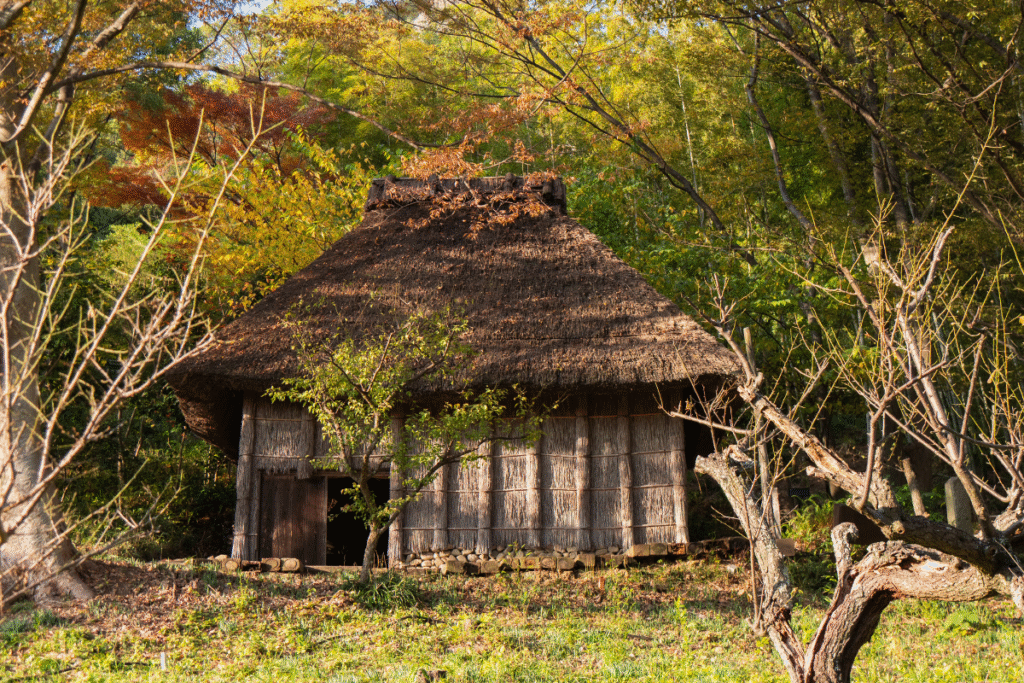
This hillside park gathers 33 real buildings from across Shikoku. Most date from the Edo to Taishō eras. You walk a gentle slope under cedars and bamboo. Each stop adds a piece of everyday life.
Start with the vine bridge. It sways on purpose. The replica uses 3.5 tons of hardy-kiwi vines, echoing Tokushima’s Iya Valley. Crossing it hints at old mountain travel and danger.
The rural kabuki stage comes next. It moved here from Shōdoshima. Villagers once acted for seasonal festivals. The stage still hosts community shows on occasion. You see how entertainment lived outside cities.
Industry anchors the middle slope. The soy sauce brewery came from old Hikida. Beams date to the late 1700s. Vats and presses show pre-modern brewing steps. It makes Shodoshima’s factories feel less abstract later.
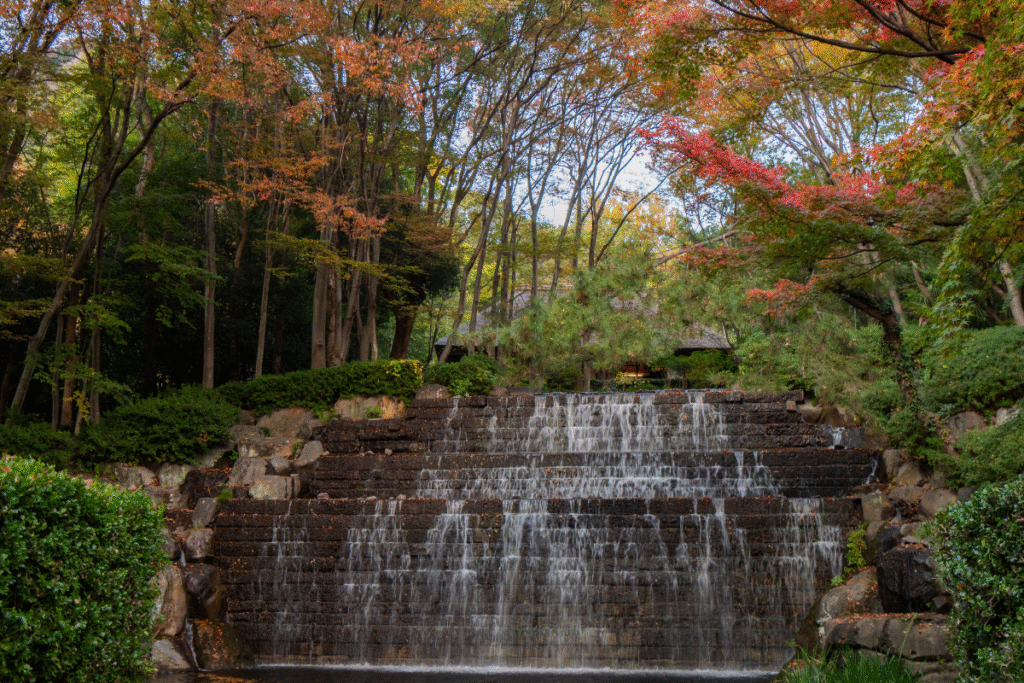
Look for the sugar-cane press huts. Only two of this conical type survive in Japan. Panels tie them to Kagawa’s “Sanuki three whites”: sugar, salt, and cotton. It’s a quick crash course in local economy. Maritime history appears upslope. A lighthouse keeper’s residence from Esaki, Awaji Island, stands in stone and timber. It was damaged in the 1995 quake, then rebuilt here. The Meiji-era story links coastal safety to modernization.
Art and architecture frame the walk. The Shikoku Mura Gallery by Tadao Ando adds calm concrete and light. Inside you’ll find rotating displays that pair well with the folk setting. Sit a moment on the bench outside.
Practical details
Plan 90 minutes for the village loop. Add 30 minutes if you visit the gallery. Paths include steps and packed earth, so wear shoes with grip. On-site parking sits by the entrance.
As of now, hours are 9:30 to 17:00, last entry 16:30. Closed Tuesdays, or the next day if Tuesday is a holiday. Adult admission is ¥1,600, with a small discount for advance tickets.
Back to Takamatsu city center ? Discover what to do if you prefer visiting Takamatsu by train from Kotohira.
Yashima: temple, views, and sunset
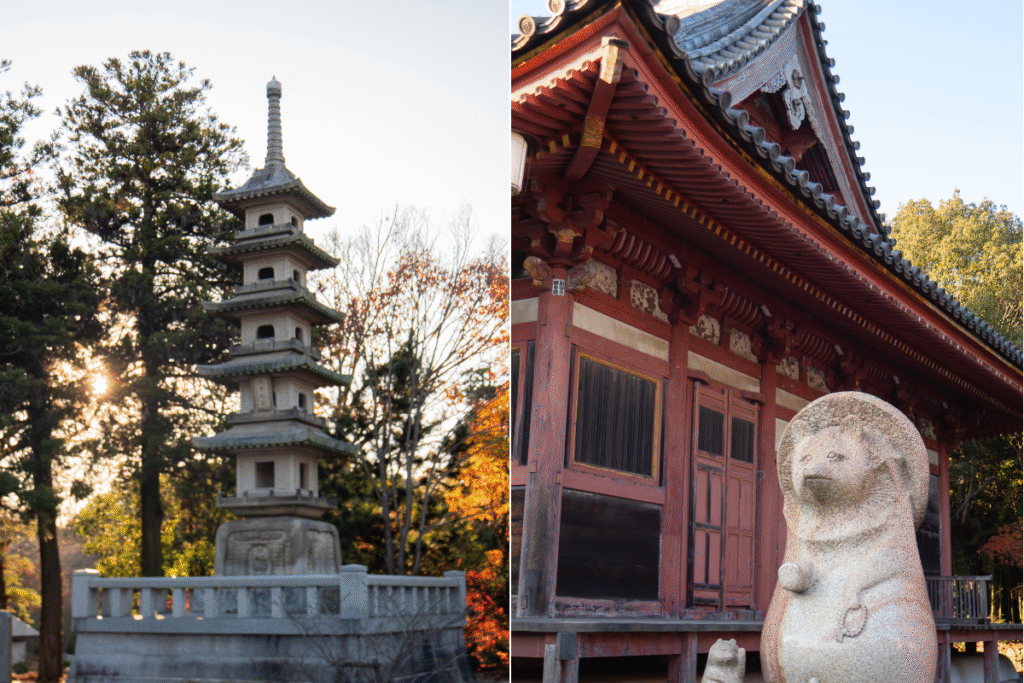
Yashima-ji and the plateau
Drive the toll road to the summit parking. The plateau feels airy and calm. Pines edge the paths and courtyards. The main hall sits near stone lanterns and a small bell. A treasure hall preserves local relics and stories. Wayfinding is clear in English. Short trails lead to overlooks in every direction. Panels explain key moments of the 1185 battles. It is history you can match to the landscape.
Best viewpoints
Start with the southern rim overlooks. City blocks and harbor lines unfold below. For a wider sweep, follow the ridge west. Islands step across the horizon toward the Seto Inland Sea straits. On clear days you can trace ferry wakes for miles. Bring a light jacket; winds pick up at the edge.
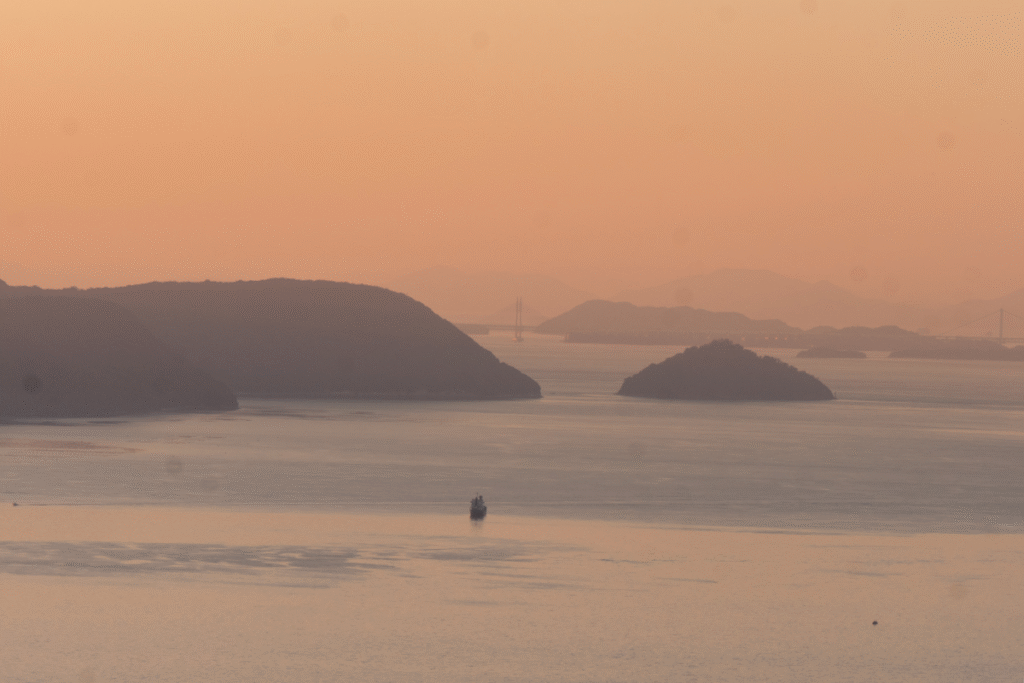
Sunset game plan
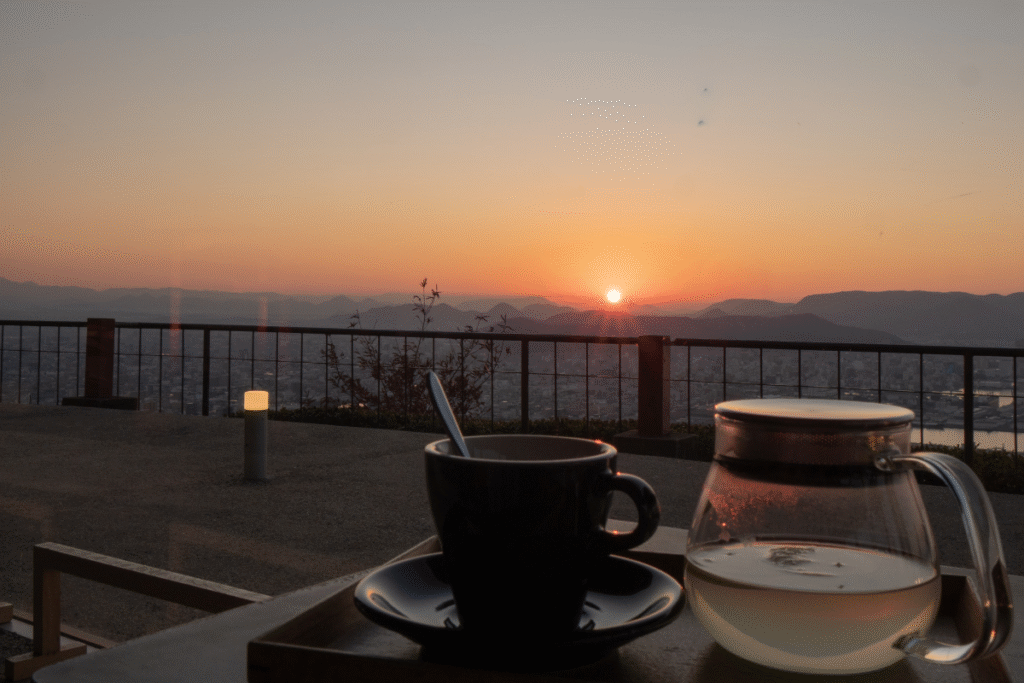
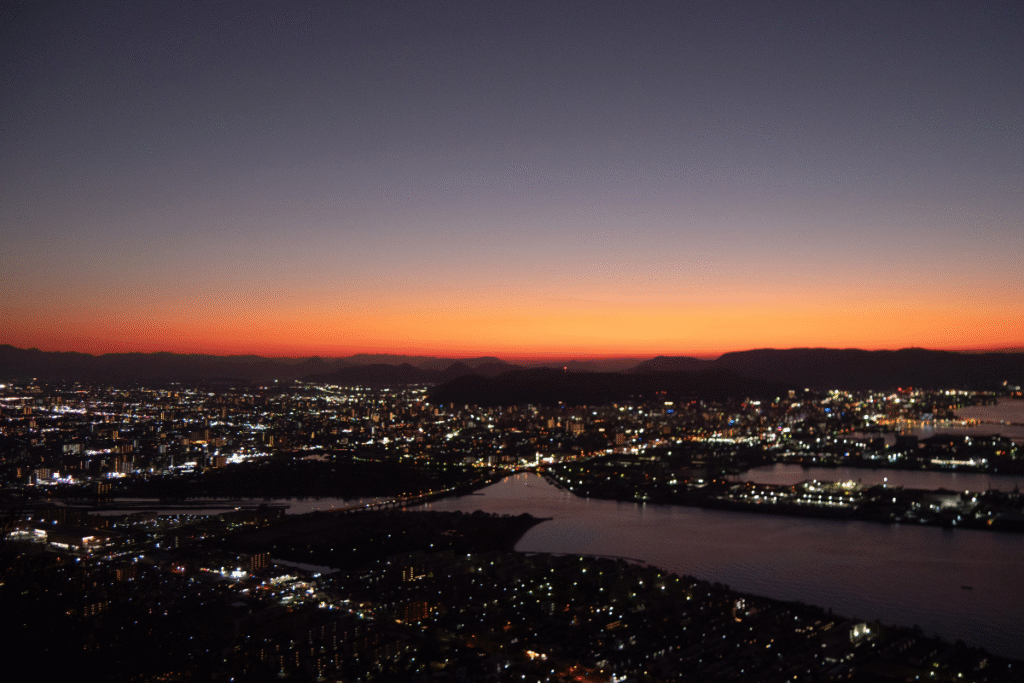
Head to Shishi-no-Reigan for golden hour. The sea warms to copper, then slips into blue. Islands turn to silhouettes against the sky. Stay a little longer for the first city lights. The view deepens as traffic ribbons appear. Seasonal illuminations sometimes add a gentle glow.
New Yashima Aquarium
The aquarium sits a short walk from the parking area. Tanks are bright and close to eye level. Seal and dolphin programs run on many days. It is an easy pause between viewpoints. Families appreciate the compact layout and benches.
Practical notes
Parking on the summit is paid and convenient. Paths mix pavement, stone, and packed earth. Wear shoes with grip for the overlooks. Restrooms and vending machines sit near the main lots. Arrive mid to late afternoon for softer light. Stay through sunset if skies look promising.
Don’t miss one of the most beautiful places in Takamatsu : visit Ritsurin Garden.
Takamatsu for art lovers
If you love design and sculpture, Takamatsu delivers. Studios and small museums ring the city. Many hide in quiet pockets like Mure and Aji, and short drives link each place. Between Shikoku Mura and temples at sunset, you can add art stops. Here are recommendations for interesting places to visit in and around Takamatsu.
Isamu Noguchi Garden Museum Japan
Reserve ahead, then step into Noguchi’s daily world. Stone yards, quiet studios, and a lived-in home unfold slowly. Light tracks across unfinished pieces and tools. Guides keep the pace gentle and focused. It feels intimate, thoughtful, and deeply place-aware.
George Nakashima Memorial Gallery
Wood leads the story here. Grain, curve, and joinery show his philosophy better than labels. Rooms feel calm and precise. Staff add context without rushing you. It pairs well with Noguchi the same afternoon.
Nagare Studio
Drive the coast to Aji for Nagare’s studio. Sculptures stand among pines with flashes of sea. Guided timeslots explain tools and process. The grounds feel quiet and open. Check hours before you set out.
Ha (Teeth) Art Museum
A small museum with dental roots and humor. Displays rotate and stay playful, never fussy. Labels read clean and human. It works as a short creative pause. Coffee sits close for an easy break.
Takamatsushi Ishinominzoku Museum
Kagawa is a stone place at heart. This museum shows why, clearly and patiently. Start with quarry tools: chisels, wedges, hammers, and saw marks you will spot later. Panels explain how blocks traveled from hillside pits to town workshops. You see lanterns, garden stones, and shrine pieces beside raw quarry forms. Aji and Mure granite get special focus, with textures you can compare by touch. Maps link quarries to temples, castles, and seawalls across the region.
Finish here before studio visits in Aji and Mure. The context sharpens every sculpture and curb you notice outside.
It’s not possible to visit everything in one day but you can create your own itinerary according to your interest and time. Some places need reservations, so stay flexible.
You love art? Take a boat from Takamatsu and explore Naoshima island, famous for contemporary art.
Practical driving notes
Driving in Takamatsu is straightforward. Road signs use clear English and lane markings help. Toll booths accept cash and cards, while smaller car parks still prefer coins. Summit parking on Yashima is paid and very close to the viewpoints. For Yakuri-ji, set your map to the base of the Yakuri Cable and ride up.
You can rent a car from Kotori hostel & coworking to start your journey from Kotohira. It’s convenient and you get a better price as a digital nomad guest.
Suggested itinerary
Leave Kotohira after breakfast and drive to the Yakuri Cable. Ride up and visit Yakuri-ji in quiet morning light. On the way down, stop for Sanuki udon nearby. After a relaxed lunch, head toward Mure or Aji for one or two art stops, or a coffee with sea views. Continue to Shikoku Mura and wander the hillside loop. As golden hour approaches, drive up to Yashima-ji for sunset over Takamatsu. If hours allow, visit the New Yashima Aquarium before returning to town for dinner and the drive back to Kotohira.
Conclusion
This loop reveals a quieter, richer side of the city. I loved Shikoku Mura for its calm paths and layered stories. Both temples felt very serene and genuinely rewarding. I especially enjoyed wandering around Yakuri-ji, where the cedars made time slow down. Catching the view from Yashima-ji is a must during any stay in Kotohira. At sunset, the city and the sea glow like a memory you will keep.
FAQ – Organize your Takamatsu exploration by car
Where should I park for the cable car?
Use the base lot for the Yakuri Cable, then ride up.
How long should I allow at Yakuri-ji?
Plan 60 to 90 minutes, including the cable ride and a short ridge walk to Yakuri-ji.
How much time for Shikoku Mura?
About ninety minutes for the village. Add thirty minutes if you visit Shikoku Mura Gallery.
Where is the best sunset spot?
Head to the Yashima-ji viewpoint for the classic Takamatsu sunset, city and sea in one frame.
About the author
Manon, is a digital nomad and content creator. She lives between time zones, works between getaways, and shares the beauty of this joyful mess.