
In Kotohira, history is not only written in stone steps and shrine buildings.
It also lives in everyday gestures, in family roles passed down quietly, and in objects meant to be shared.
Ryutaro Ike, often known locally as Mr. Candy, is the current head of Ike Syouten, a traditional candy shop that has existed for 28 generations. His work stands at the intersection of tradition, community, and renewal.
Meet the man behind the candy, the changes he has brought to his family shop, and his vision for Kotohira’s future.
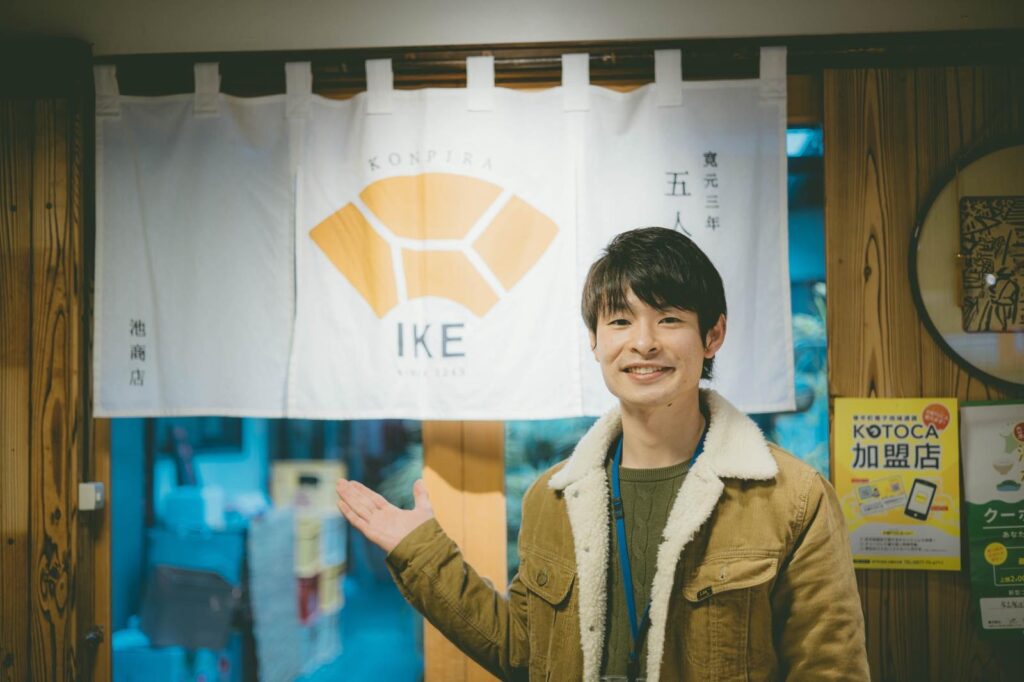
Table of contents
- Who Is Ryutaro Ike? Family Roots and the Birth of Ike Syouten
- Candy as a Way to Support the Shrine
- After COVID: Rethinking the Shop and Creating New Connections
- What Makes Ike Syouten’s Candy Unique
- Ryutaro Ike’s Vision for Kotohira
- Digital Nomads as Connectors
- Next Steps for Ike Shōten
- Conclusion
- FAQ
Who Is Ryutaro Ike? Family Roots and the Birth of Ike Syouten
Ryutaro Ike comes from one of the families historically connected to the Kompira Shrine. For generations, five families were responsible for helping organize shrine ceremonies and support its activities. This role was entirely voluntary and never about earning money.
However, volunteering alone could not sustain daily life. To continue supporting the shrine while also supporting their families, these households needed another solution. That solution became candy.
The five families began making and selling traditional candy as a souvenir while continuing their voluntary role at the shrine. Each family developed and sold this candy, and this tradition continues today.
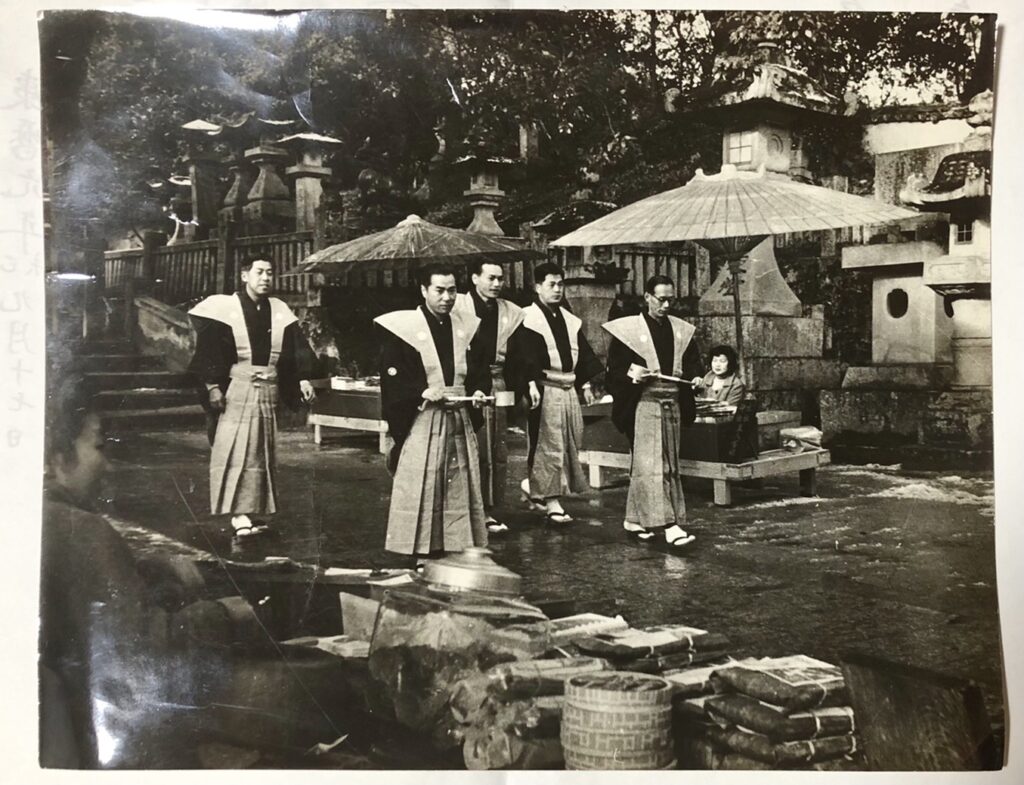
Ike Syouten, the shop run by the Ike family, one of these five families, has been passed down through 28 generations, preserving recipes and techniques dating back more than 800 years.
From the beginning, the candy was not designed as a simple souvenir. It had a role to play beyond the shop itself.
“By passing on the town’s history and those elements, I believe we can preserve what makes this town itself.”
— Ryutaro Ike, interview excerpt, translated from Japanese
Candy as a Way to Support the Shrine
Pilgrims visiting Kotohira often traveled long distances on foot. Some returned to Osaka, others even to Tokyo. They needed something durable, something that could survive the journey and still carry meaning once they arrived home.
At first, the candy was softer, shaped like sticks that could be broken easily by hand. Over time, it became harder and more compact, making it easier to transport over long distances without breaking. This evolution was practical, but it was never only about convenience.
The intention was always the same: to create something that could leave Kotohira with the visitor and keep the presence of the shrine alive beyond the town itself.
That is why the candy is broken with a hammer. Not at the shop, but later, at home. Breaking the candy and sharing it with family or friends is meant to pass on good fortune, turning a personal visit to the shrine into a shared moment of happiness.
“Rather than dates and facts, I value stories people want to talk about and share with friends.”
— Ryutaro Ike, interview excerpt, translated from Japanese

After COVID: Rethinking the Shop and Creating New Connections
The COVID period became a turning point for Ryutaro Ike.
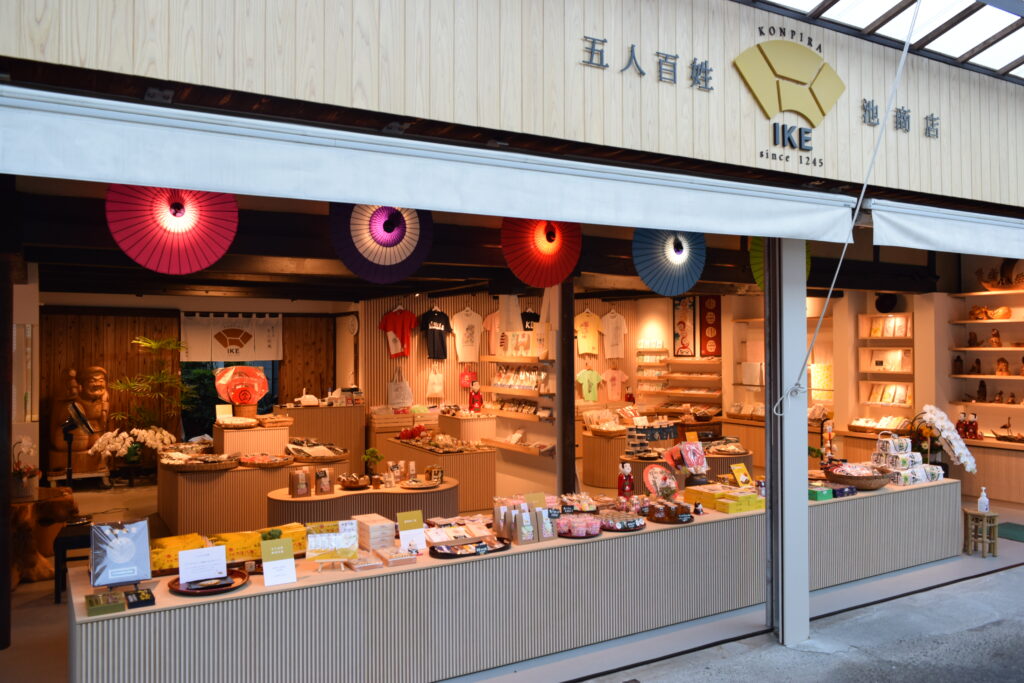
When the town became unusually quiet, he used that time to rethink the shop itself. With fewer visitors and a slower rhythm in the city, he decided to renovate Ike Syouten, giving it a cleaner, more modern look while keeping its spirit intact. The transformation is visible from the street, with the shop’s distinctive logo now clearly standing out on the front.
This physical change went hand in hand with a deeper reflection on the role of the shop. While continuing to produce traditional candy, he also began developing new projects with local people and experimenting with new products and flavors, including fruit-based candies. Rather than breaking with tradition, the renewed shop became a place where heritage and contemporary creativity coexist.
What Makes Ike Syouten’s Candy Unique
One of the most distinctive elements of Ike Syouten is its candy sold with a small hammer.
This candy is not meant to be eaten immediately. It is taken home, broken, and shared. The act of breaking it represents sharing good fortune with family and friends.
Flavors like yuzu connect the candy to the region, but the deeper meaning lies in the gesture itself. Happiness is not something to keep for oneself. It is something to pass on.
This philosophy reflects how Ryutaro Ike approaches both his work and his relationship with the town.
Ryutaro Ike’s Vision for Kotohira’s Future with Digital Nomads
From Short Encounters to Real Relationships
When Ryutaro Ike was a child, foreign visitors were rare in Kotohira.
Today, many people from abroad come to the town, but for a long time the relationship remained superficial. A short conversation, a question about where someone was from, then goodbye. The interaction stopped at the level of customer and shop owner.
What feels different now is time.
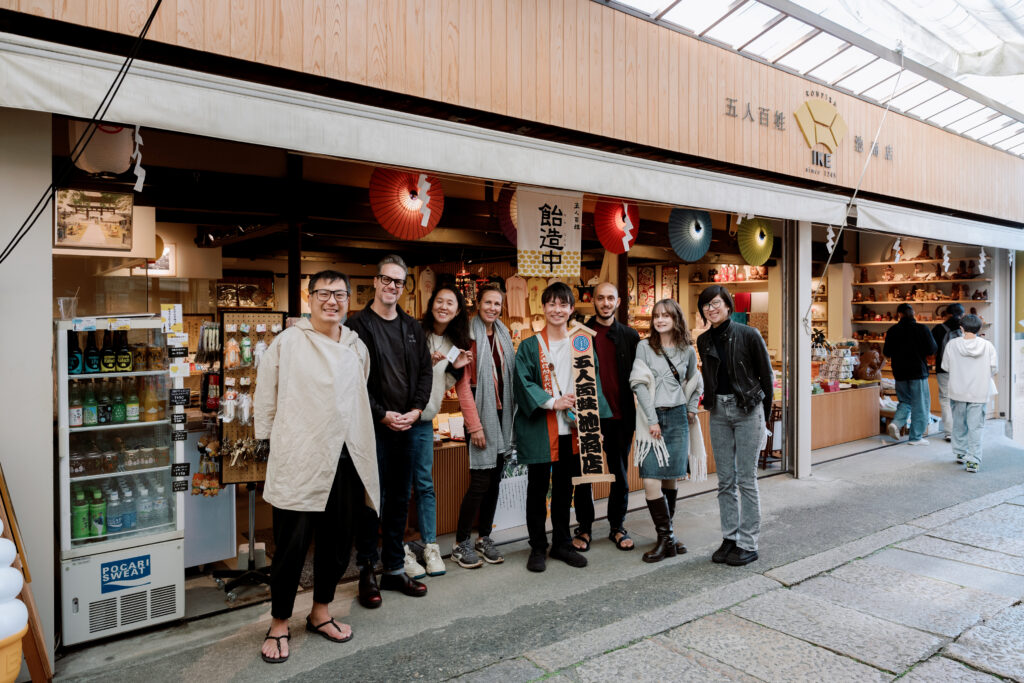
As digital nomads and long-term visitors began staying in Kotohira, relationships changed. People stopped passing through and started becoming part of everyday life. They spent time with local families, shared meals, talked, and stayed long enough for trust and familiarity to grow. For Ryutaro Ike, this shift has been deeply meaningful.
“It’s no longer a shop owner and customer relationship. That mutual relationship only exists because people stay for a long time.”
— Ryutaro Ike, interview excerpt, translated from Japanese
Growing Up with the World Close By
His children are growing up in an environment where meeting people from other countries feels normal. He finds this situation beautiful, even if children themselves may not fully realize it yet. In his eyes, a town where children can later say “I talked with someone from another country” is a town where the world feels closer, not distant.
“For my children, this environment has become normal, and I think that is something very special.”
— Ryutaro Ike, interview excerpt, translated from Japanese
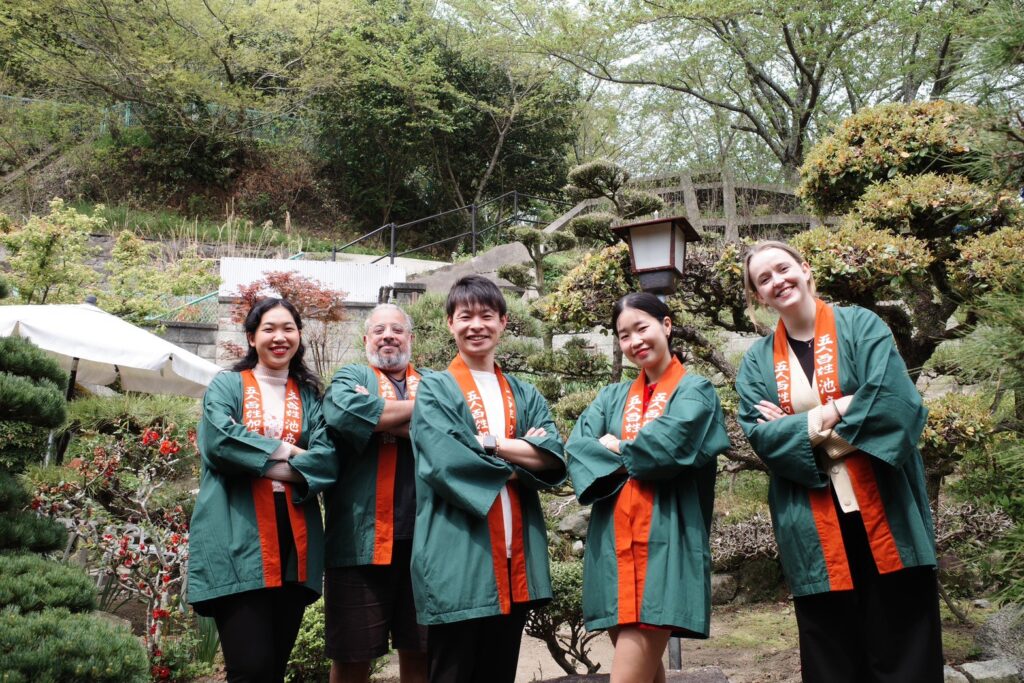
This is the future he hopes for Kotohira. Not a place people visit once and leave behind, but a town where people stay, connect, and sometimes return. A place where visitors are no longer just customers, but participants in local life. Where skills are shared through a photo exhibition, a tea ceremony, or simple daily conversations.
For Ryutaro Ike, this kind of exchange does not weaken Kotohira’s identity. It strengthens it. By remaining open, human in scale. Rooted in real relationships, he believes Kotohira can preserve what makes it unique while staying connected to the wider world.
Digital Nomads as Connectors
For Ryutaro Ike, the value of digital nomads lies in time and dialogue. Local shop owners are often absorbed by daily work and rarely have the space to step back and rethink how they share their stories or imagine new directions.
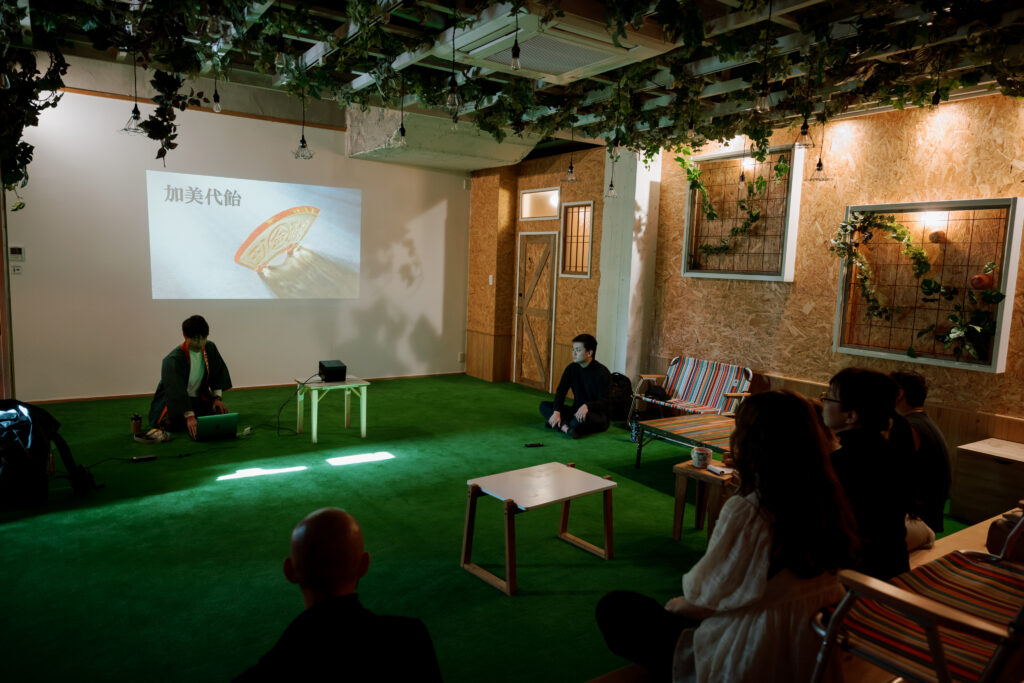
During the Pop-Up Coliving N°2 (collaboration between Kotori and Alt Chiang Mai), this became concrete. Two shop owners presented their businesses and how they hoped to evolve, then invited nomads to share ideas. The exchange quickly turned into a collaborative conversation.
For Ike Syouten, nomads suggested creating a short video inside the shop to explain its history and the story of the five families, helping visitors understand the deeper meaning behind the candy. Another idea was to design a special stamp to guide visitors toward social spaces and local shops along the main street, encouraging them to explore Kotohira beyond the shrine.
According to Ryutaro Ike, these moments show how long-term visitors can help locals find new ways to share their town without changing its identity.
Next Steps for Ike Shōten
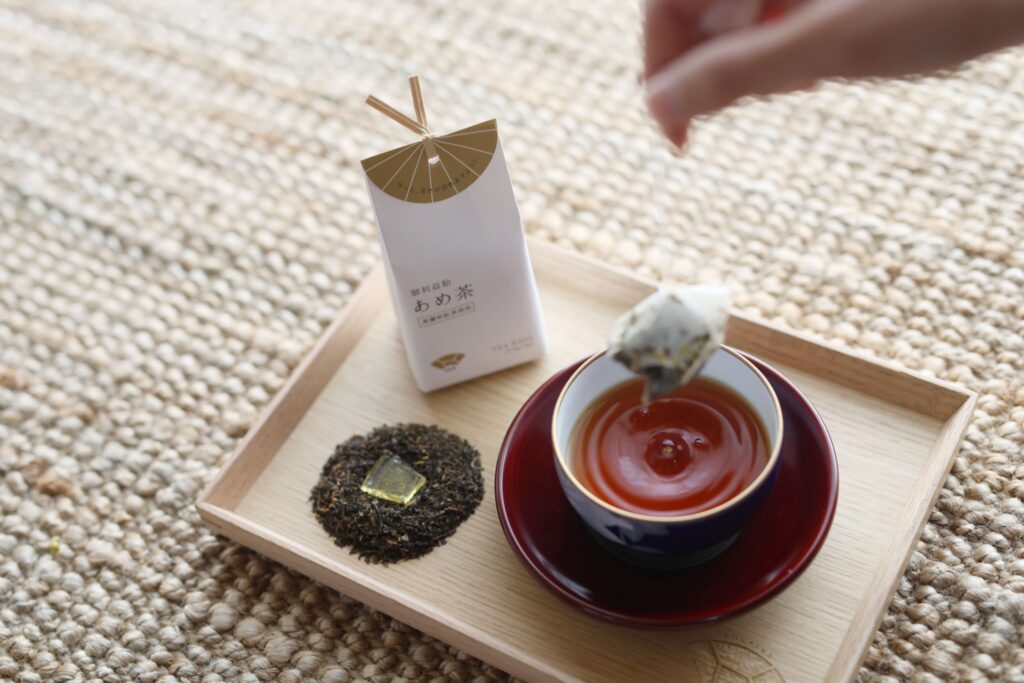
Looking ahead, Ryutaro Ike wants Ike Syouten to continue evolving while staying rooted in tradition. His goal is to create new products that respond to real needs, using the strength of his family’s candy as a foundation.
One project already underway is the planting of sugarcane, with the aim of producing sugar directly in Kagawa Prefecture. Using this local sugar, he plans to develop new products that combine regional ingredients with traditional confectionery techniques.
He is also exploring ideas that expand what candy can be. While sweets often appeal to children and women, he wants to create options that feel just as meaningful for men, such as a product combining candy with dried fish from Ibuki Island near Kan’onji. Through these projects, Ike Syouten continues its story, connecting past, present, and future.
Conclusion: A Tradition Carried by People
Ryutaro Ike does not see tradition as something fixed or fragile.
For him, it is something that survives through use, through sharing, and through relationships.
By preserving the craft of traditional candy, rethinking his shop during quieter times, and opening conversations with long-term visitors and locals alike, he continues a story that began generations ago. One rooted in responsibility to the shrine, to the town, and to the people who pass through it.
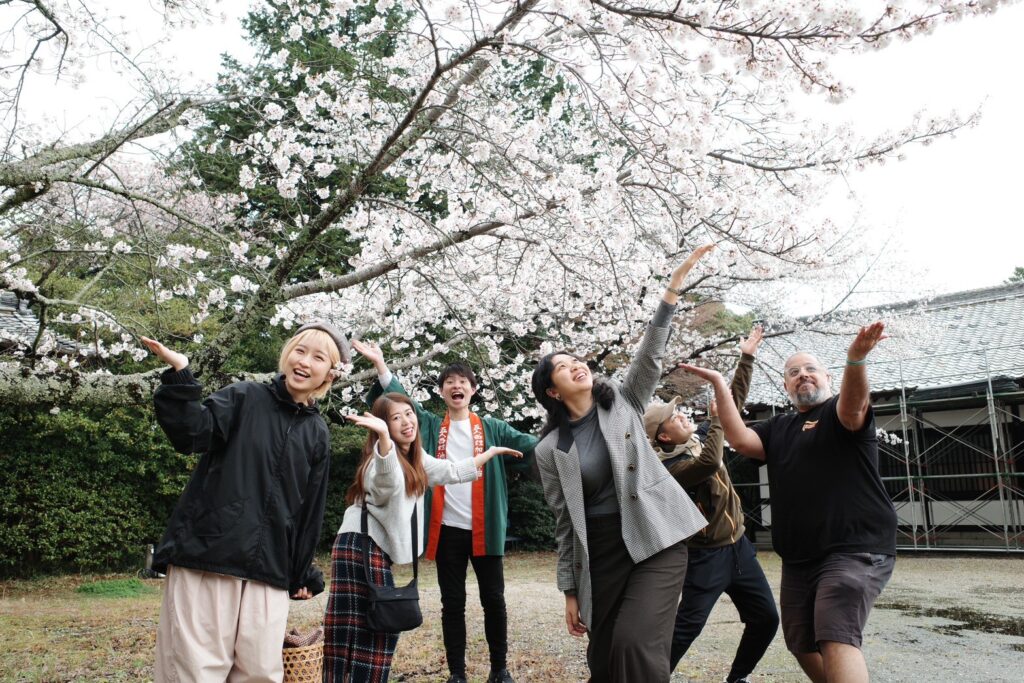
But beyond his role as an artisan, Ryutaro Ike is also someone you meet. Always smiling, always curious, always happy to talk. When he is not busy, he often stops by Kotori, shares a coffee or a meal, joins a board game, or simply spends time talking with travelers and nomads. He takes part in many local events, from the Kotohira-gu Shrine Festival to smaller community gatherings, always active, always involved in the life of the town.
Kotohira’s future, as he imagines it, is not about becoming bigger or busier. It is about remaining human in scale. A place where people stay long enough to connect, where stories are shared rather than explained, and where a piece of candy can still carry meaning far beyond the town itself.
If you travel to Kotohira, Ryutaro Ike is someone you cannot miss.
Stop by the shop, introduce yourself, join a candy-making workshop, or ask him about the shrine and the city. Chances are, you will leave not just with candy, but with a story, and maybe even a new friend.
> Meet more local people from Kotori and Kotohira!
FAQ
Who is Ryutaro Ike?
Ryutaro Ike is the current head of Ike Syouten, a traditional candy shop in Kotohira that has been passed down through 28 generations.
What is Ike Syouten?
Ike Syouten is the candy shop run by the Ike family, one of five families historically connected to supporting the Kompira Shrine. The shop preserves traditional confectionery techniques dating back over 800 years.
What is the connection between candy and the Kompira Shrine?
The five families supported shrine ceremonies as volunteers. To sustain their daily lives while continuing this role, they began making and selling traditional candy. This practice continues today.
Why is the candy sold with a hammer?
The candy is meant to be taken home, broken with a hammer, and shared with family or friends. This act symbolizes sharing good fortune after visiting the shrine.
How has Ike Syouten changed since COVID?
During the COVID period, Ryutaro Ike renovated the shop, giving it a more modern look while keeping its spirit. He also began developing new projects, collaborations, and products, including fruit-based candies.
How does Ryutaro Ike see digital nomads in Kotohira?
He sees long-term visitors and digital nomads as people who help build real relationships, share perspectives, and support the town by staying, connecting, and participating in daily life.
What are the next projects for Ike Syouten?
Future plans include developing new products using locally produced sugar from Kagawa and exploring new forms of candy, including products designed to appeal to a wider audience.
About the author
Manon, is a digital nomad and content creator. She lives between time zones, works between getaways, and shares the beauty of this joyful mess.