
For generations, Kotohira has been a destination people visit once in their lifetime. A place of faith, history, and ritual: climbed, admired, and often left behind the same day. But for Taijiro Kusunoki, this long-standing narrative is no longer enough.
Entrepreneur, local business owner, and founder of Kotori Coworking & Hostel, Kusunoki-san is part of a generation asking a different question: What if Kotohira became a place people choose to stay, not just pass through?
Meet the man behind that question, his projects, and his belief that long stays, community, and digital nomads can help shape a more sustainable future for this historic town.
Table of contents
- A Local Entrepreneur at a Turning Point
- Kotohira’s Quiet Crisis: Tourism Without Time
- Kotori, Digital Nomads, and a Different Idea of Travel
- From “Once in a Lifetime” to “Many Times”
- FAQ

A Local Entrepreneur at a Turning Point
Taijiro Kusunoki, also known as Mr. Udon, runs Kotohira Bus, a local transportation company operating highway buses, charter buses, taxis, and travel services. For years, transportation was the backbone of his work… until 2020. When COVID hit, everything stopped. Buses stopped running. Revenue dropped to zero. Like many regional businesses, Kotohira Bus was suddenly frozen in time.
Instead of waiting, Kusunoki-san experimented. During lockdowns, he launched one of Japan’s first online bus tours, using Zoom to guide people through regions they could no longer visit in person. The concept spread quickly. Municipalities across Japan reached out. He was invited to speak about the initiative, sometimes traveling, often presenting online.
But beyond the success of the project, this period marked a deeper shift. COVID forced him to rethink not only his business, but the future of Kotohira itself.
“In Japan, it has become normal in cities not to know who lives next door, or to have never spoken to your neighbors. But in this town, along the path to the shrine, you keep running into familiar faces.. During the COVID period, I really realized how interesting this town is because of that” — Taijiro Kusunoki
Kotohira’s Quiet Crisis: Tourism Without Time
Kotohira is one of Shikoku’s most recognizable destinations. Yet behind the crowds climbing toward Kompira Shrine lies a fragile reality.
The population is shrinking. Today, around 7,600 people live here. Projections suggest the town could lose more than 3,000 residents in the next 25 years. Tourism numbers tell a similar story. Yes, millions still come… but: the average stay is 1.13 nights. Only 20% stay overnight, while 80% of visitors stay for just a few hours, either heading back home on a day trip or stopping briefly on their way to their next destination.
Most visitors spend just a few hours: shrine, udon, maybe a souvenir, then they leave. The economic impact per person is minimal. Restaurants close. Shops disappear.
For Mr. Udon, the issue is clear: tourism without time cannot sustain a town. Kotohira doesn’t need more visitors.
It needs people who stay longer, return, and build relationships.
“Kompira is still very important to us. It is the symbol and the origin of this town, and that will not change. But if Kompira alone is the only reason to visit, two hours is enough. That is why we want to create new attractions, especially on the town side, and aim to become a place people want to visit many times, not just once in their life.” — Taijiro Kusunoki
Kotori, Digital Nomads, and a Different Idea of Travel
Why Digital Nomads?
About four years ago, Kusunoki-san first heard about digital nomads: people working remotely while living in different places around the world. At the time, he learned there were already tens of millions globally. At the same moment, Kotohira was asking itself a difficult question: Who would actually choose to stay here longer than one night? Digital nomads felt like a natural answer.
They have time.
They’re curious about daily life, not just landmarks.
They value community as much as scenery.
Welcoming them, Kusunoki-san believes, isn’t just about business. It’s about creating relationship population: people who may not live in Kotohira permanently, but who care about it, talk about it, and come back.

Kotori: A Door Into Local Life
Kotori Coworking & Hostel Kotohira was established in a 50-year-old building, which had stood abandoned for nearly two decades, on the road leading up to the shrine. Rather than building a hotel or a traditional coworking space, Kusunoki-san imagined something else: a base for living, not consuming.
At Kotori, the experience is intentionally simple: working, cooking, talking, meeting locals, joining small projects, sharing everyday moments. Kotohira’s strength, he insists, is its visible community.
In a country where urban life often means anonymity, Kotohira remains a place where people know each other and welcome newcomers. Stay long enough, and conversations happen naturally. And with them, attachment.
From “Once in a Lifetime” to “Many Times”
In Japan, the phrase “Kompira once in a lifetime” has existed since the Edo period. It expressed admiration, but also finality.
Taijiro Kusunoki believes it’s time to move beyond that idea. Not by rejecting history, but by building on it. By transforming Kotohira from a place you check off into a place you return to.
Longer stays.
Real relationships.
A town that remains alive because people choose to be part of it, even temporarily.
Kotohira’s future, he believes, won’t be built by more speed or bigger crowds. It will be built by time, trust, and shared everyday life.
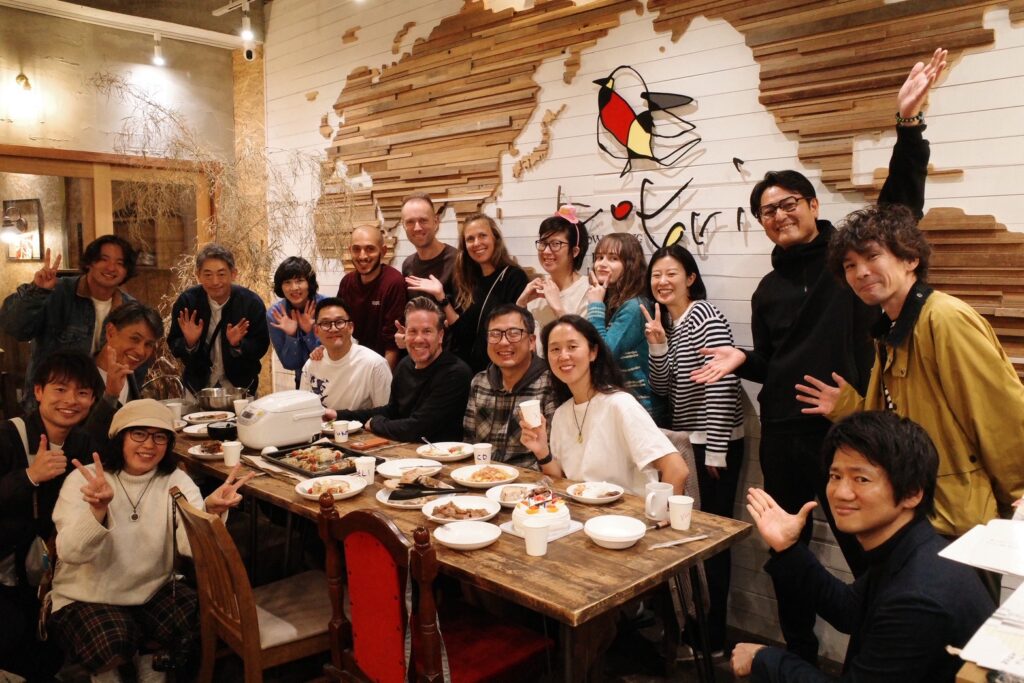
> Meet more local people from Kotori and Kotohira!
FAQ – Taijiro Kusunoki
Who is Taijiro Kusunoki?
A local entrepreneur, CEO of Kotohira Bus, and founder of Kotori Coworking & Hostel.
What is Kotori?
A coworking and coliving space designed for long-term stays, remote workers, and travelers interested in community-based living.
Why focus on digital nomads?
Because they stay longer, support local businesses, build relationships, and often return, creating sustainable value for the town.
Is Kotohira only for nomads?
No. The vision includes international visitors, Japanese travelers, creatives, and anyone interested in slow, community-oriented travel.
About the author
Manon, is a digital nomad and content creator. She lives between time zones, works between getaways, and shares the beauty of this joyful mess.