
Being a digital nomad in Japan is getting a lot easier to imagine than it was a few years ago. Japan is safe, efficient, and genuinely fun to live in day to day, even when you’re working full time. It also has something many nomads miss in big hubs: quiet towns, routine, and a strong sense of place. That’s where countryside bases like Kotori Coworking and Hostel in Kotohira start to shine.
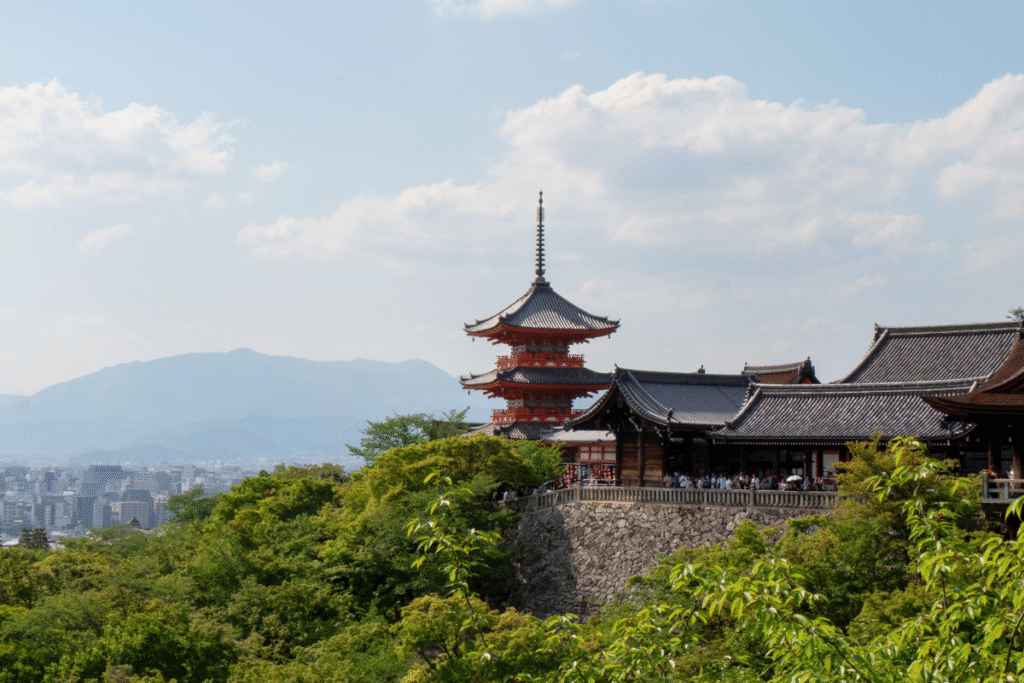
Here is a practical digital nomad guide to Japan with visa options, realistic monthly costs, internet tips, and the best bases, from Tokyo to quiet countryside towns like Kotohira.
Table of Contents
- Why Japan works for remote life
- Visa options for working online in Japan
- Cost of living: realistic budgets
- Internet, SIM cards, and staying connected
- Best places to base yourself
- Quick planning checklist
- Final thoughts
- FAQ
Why Japan works for remote life
Japan is a strong base for remote work because daily logistics are easy, the infrastructure is dependable, and the country gives you a rare mix of stimulation and calm. You can spend a month in a huge city where everything is available, then switch to a quieter region without losing comfort or connectivity.
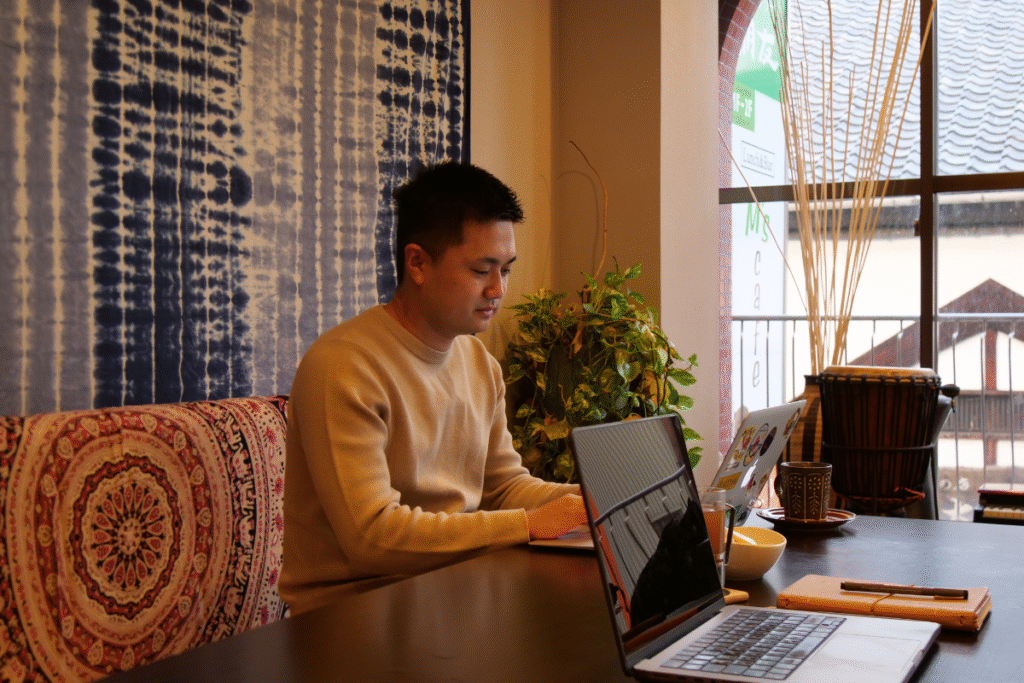
What makes digital nomad Japan stand out is reliability. Trains and local transit make it simple to plan your days, show up on time for meetings, and move between neighborhoods without wasting energy. Convenience stores and supermarkets are everywhere, so grabbing a quick lunch between calls or stocking up for a focused week is effortless. When your work schedule is packed, that kind of simplicity matters.
Internet is another big plus. In cities you’ll find strong mobile coverage, plenty of places with Wi-Fi, and a growing number of coworking spaces. Even outside major hubs, many towns have good connectivity and practical services, which makes regional Japan more realistic than people expect. Kotohira is a good exemple.
Work & travel balance
Japan is also great if you like variety without constant travel. Weekend trips are easy, nature is always close, and each region feels distinct, from food to landscapes to local festivals. That helps you avoid burnout. Your weekdays can be routine and productive, and your weekends can still feel like real travel.
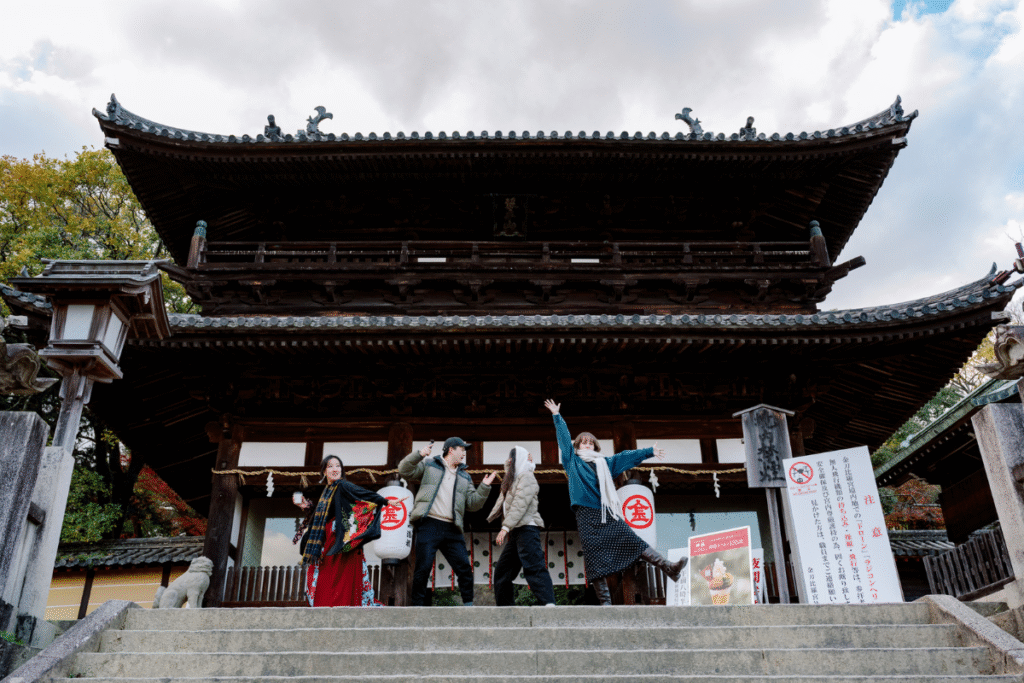
Finally, Japan works well for people who want a healthier pace. There’s a strong culture of doing things well and respecting shared spaces, which often translates into quieter environments and fewer daily frictions. If you’ve been hopping noisy hubs, Japan can feel like a reset, especially when you choose a smaller base where it’s easier to build habits, sleep well, and focus.
Digital nomad Japan: Visa options
When you’re planning Japan, the visa question is really about your timeline. Are you doing a short creative sprint, a longer settled season, or something closer to a one-year experience? Japan has a new official option designed for remote workers, but there are also other routes people use depending on nationality, age, and how long they want to stay.
The key thing to understand is that Japan separates “being in Japan” from “working in Japan.” If your income comes from outside Japan and you’re not working for a Japanese company, your best fit is usually either a short tourist-style stay or the official remote-work route. If you want to work locally, that’s a different category entirely and usually needs sponsorship.
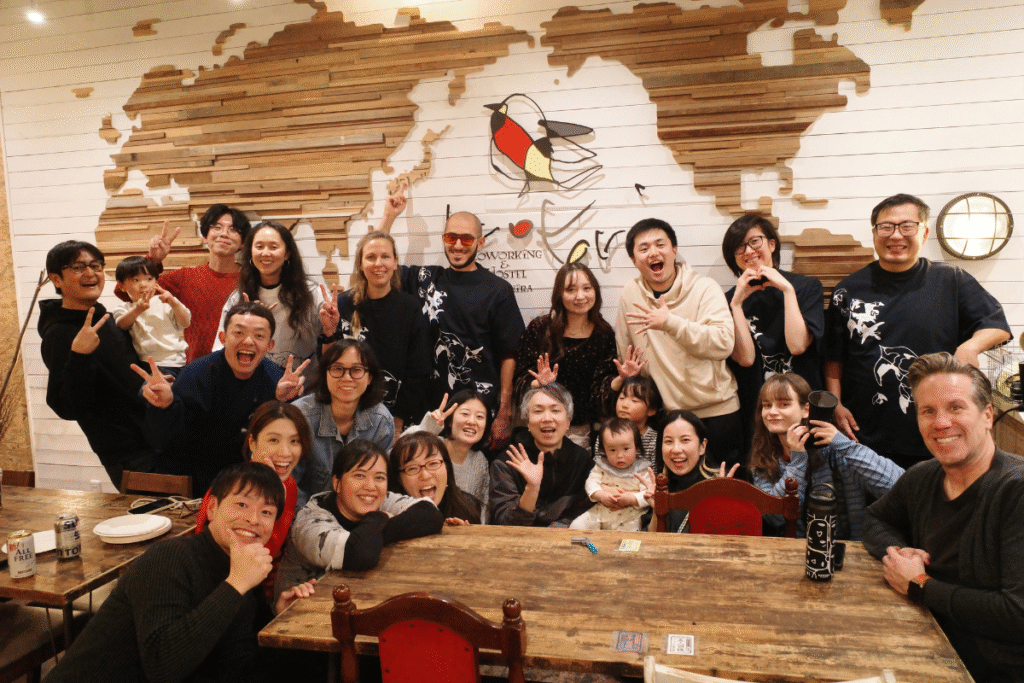
The official digital nomad Japan visa option
Japan’s government introduced a “Designated Activities (Digital Nomad)” visa that lets eligible people stay in Japan for up to six months, with no extension. It’s aimed for people working remotely for non-Japanese companies or clients, and it comes with higher requirements than many other countries. To apply, you need at least:
- Annual income of at least JPY 10 million
- Private medical insurance coverage of at least JPY 10 million for injury or illness
- Documents explaining planned activities and period of stay
All requirements are listed in Japan’s official guidance.
This option is best if you want a clear, compliant framework for a longer stay that feels stable. It also works nicely if you want to spend time in more than one base, like doing a few weeks in Tokyo, then switching to a calmer place in the countryside, like Kotohira, without rushing.
Short stays on tourist entry
Many people visit Japan and still handle a bit of remote work, but tourist entry is meant for travel, not for setting up a work base. The safest approach is to keep work light and clearly secondary to tourism.
How long you can stay depends on your passport, but for many visitors it’s up to 90 days per entry.
The best choice for your digital nomad Japan experience?
If Japan is mainly a trip and you’re doing light work to keep things moving, many people keep it to a normal tourist stay (often up to 90 days if visa-exempt).
If Japan is mainly a work base and you want to spend a full season working from cafes and coworking spaces, the official digital nomad visa is the most straightforward path.
Cost of living & realistic budgets for digital nomad in Japan
Japan can fit a wide range of budgets, but the biggest lever is simple: where you base yourself. Tokyo and central Kyoto can feel expensive fast because short-term rent is high and you’ll pay extra for convenience. Smaller cities and countryside towns usually give you better value, more space, and a routine that’s easier to stick to.
Housing
This is your main cost. Monthly apartments in major hubs are often priced for business travel, not long stays. If you choose a regional base, you’ll usually get more comfort for the same money, and it’s easier to find places that feel liveable.
- Tokyo (central, furnished short-term): $1,200 to $2,500+ / month
- Osaka or Kyoto (central, furnished short-term): $900 to $1,800 / month
- Regional Japan (nationwide average for a small studio, long-term style rent): about $330 to $470
Coliving for digital nomads in Japan
Coliving can be a good middle ground in Japan because it’s usually furnished, bills are often included, and you get a social setup without committing to a classic long-term lease. Prices vary a lot by city and by room type, but these real examples from Coliving.com give you a good reference point.
- Tokyo: often starts around $900/month and can go $1,800 to $2,300+/month for more premium houses.
- Kyoto: you’ll see options around $865 to $900/month for some listings.
Countryside and islands (examples):
- Kotohira (Kagawa): from $421/month
- Goto Islands, Fukue Island (Nagasaki): from $455/month
- Nishiaizu (Fukushima): from $822/month
Food
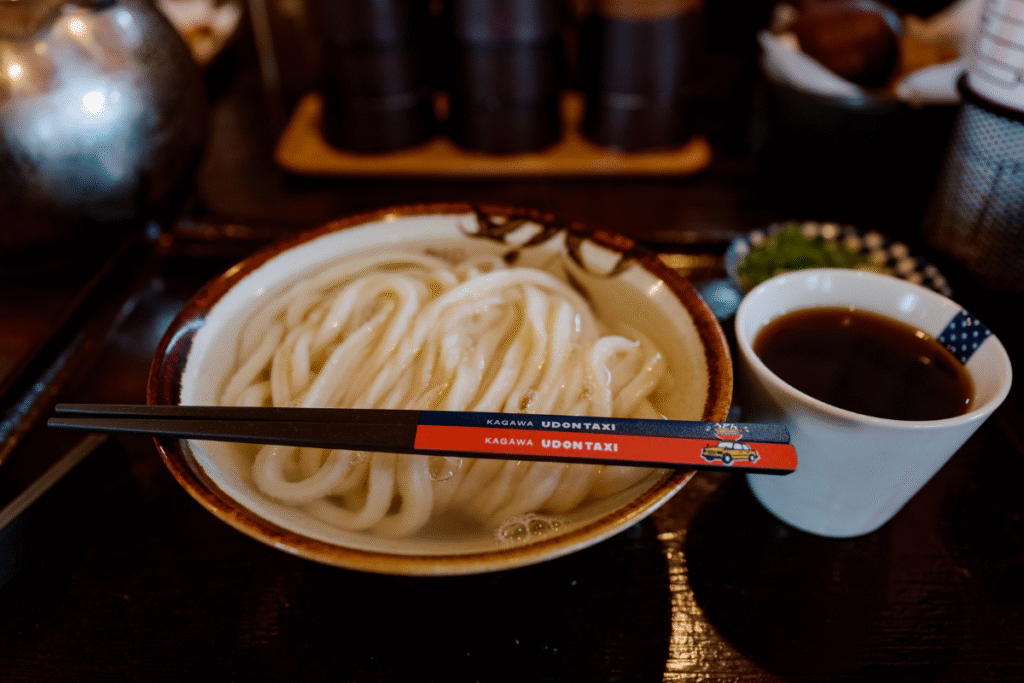
Eating out can be surprisingly affordable if you keep it casual. Convenience stores are useful for busy workdays, and supermarkets make it easy to cook at home. If you love cafés and nice dinners, your budget will climb, especially in tourist-heavy areas.
- Convenience store meal: ¥700 to ¥1,000 (about $5 to $7)
- Bento average: around ¥627 (about $4 to $5)
- Simple lunch out: roughly ¥400 to ¥1,200 (about $3 to $8)
If you mix convenience store lunches with a few sit-down meals each week, food stays reasonable without feeling like you’re “budget traveling.”
Transport and lifestyle
Trains make weekends simple, but long-distance travel adds up if you move constantly. If you stay in one base and do day trips, Japan feels much more manageable.
Metro tickets exemples
- Tokyo (Tokyo Metro + Toei Subway): Tokyo Subway 24-hour Ticket ¥800 (about $5 to $6)
You’ll also see 48-hour ¥1,200 and 72-hour ¥1,500 options. - Osaka (Osaka Metro): Enjoy Eco Card 1-Day Pass ¥820 (about $5 to $6)
On weekends and holidays it’s often ¥620 (about $4 to $5). - Kyoto (Kyoto City Subway): Subway 1-Day Pass ¥800 (about $5 to $6)
If you’ll mix subway + city buses, the Subway & Bus 1-Day Pass is ¥1,100 (about $7 to $8)
Train ticket examples for digital nomad Japan
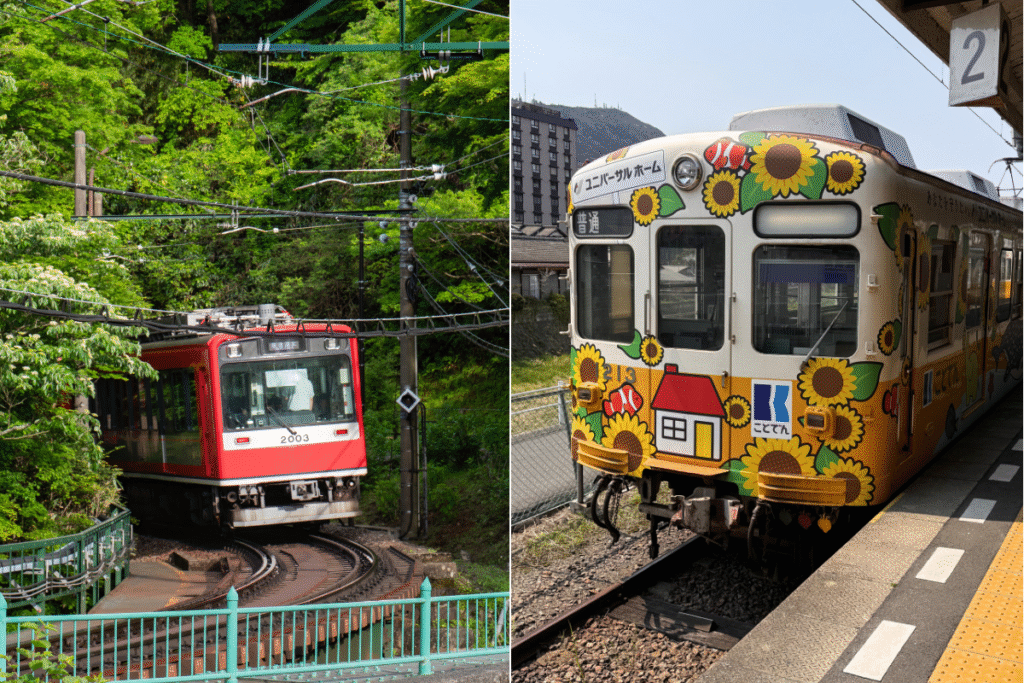
One-way in the countryside (local line example)
- Kotohira → Takamatsu (Kagawa), JR Shikoku: roughly ¥550 to ¥2,600 (about $4 to $18) depending on the train type.
One-way fast train (bullet train example)
- Shin-Osaka → Tokyo (Tokaido Shinkansen, one way): around ¥16,600 (about $110) for a standard seat option.
Plane ticket examples (one way)
- Osaka → Tokyo: from about $31, typical $150 to $185.
- Tokyo → Takamatsu: from about $18, typical $175 to $350.
- Takamatsu → Okinawa (Naha): from about $85, typical $235 to $520.
Car rental examples (per day)
- Tokyo: around $65/day on average.
- Osaka: small car around $35/day on average, with deals starting around $37/day.
- Kotohira: economy deals around $54/day. Cheaper if you rent from Kotori.
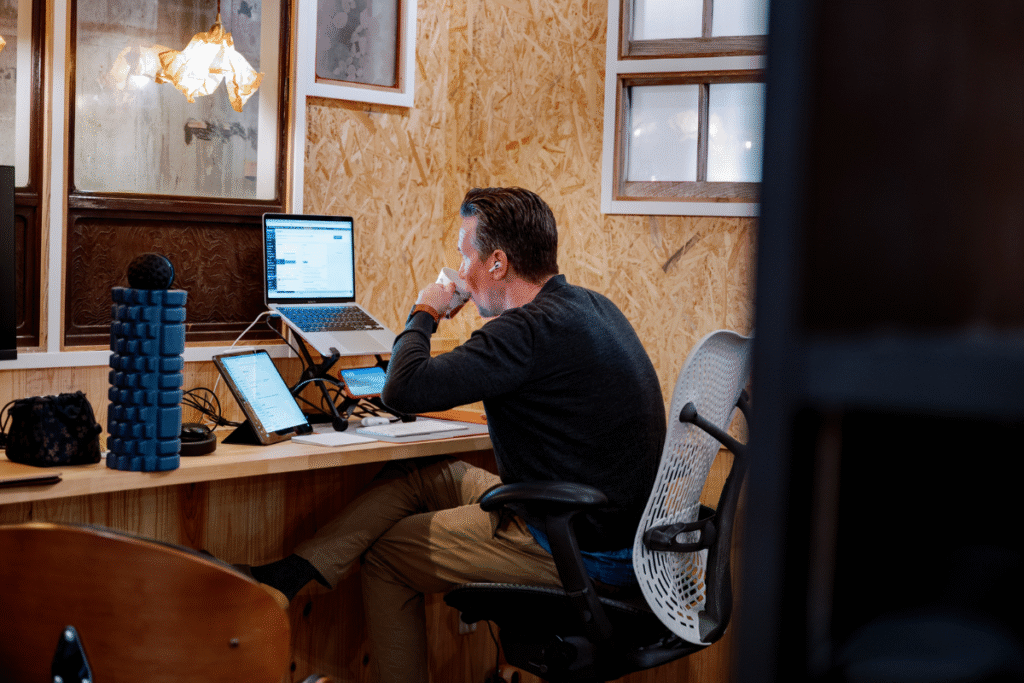
Coworking and work-friendly spaces for digital nomad in Japan
- Coworking day pass (hot desk): ¥3,000 to ¥7,000 / day (about $20 to $50)
- Monthly hot-desk style plans: often around ¥10,000 to ¥30,000 / month (about $65 to $200)
All these examples show that getting around Japan can be surprisingly affordable, especially for day-to-day life in cities and regional areas. The real budget changer is your base, because location affects rent, transport habits, and how often you’ll rely on pricey add-ons like shinkansen, flights, or car rental.
Internet, SIM cards, and staying connected
Japan is one of those places where you can land, turn on data, and start working the same day. The easiest setup is usually an eSIM for day one, then you can decide if you want a longer prepaid SIM or pocket Wi-Fi depending on how much you call and tether.
eSIM (best for most people)
If your phone supports it, an eSIM is the simplest option: no shop visit, no tiny SIM tool, and you can keep your home SIM active for banking codes. Price-wise, you’ll often see deals like 20GB for 30 days around $14.
Tip that matters for work: choose a plan that allows hotspot/tethering, so you can use your laptop anywhere.
Prepaid SIM (good for longer stays)
If you want something more stable for a full month, prepaid SIM plans with voice + data exist, but they’re usually more expensive than the cheapest eSIM deals.
Pocket Wi-Fi (useful if you have multiple devices)
Pocket Wi-Fi can be worth it if you’re working from a laptop all day, traveling with someone, or want one shared connection. A typical “unlimited” style rental is often quoted around $3 to $7 per day depending on the provider and rental length.
Some services price it differently (and higher) once taxes and plan details are added, so always check what “unlimited” really means.
Quick setup that works well
- Arrive with an eSIM so you’re connected instantly.
- Keep a backup option (hotspot, pocket Wi-Fi, or a second eSIM) if your work depends on calls.
- If you’re choosing networks, coverage and speed can vary by carrier, so it’s worth checking which one your plan uses.
Best places to base yourself
Japan is easy to love, but it’s even easier when you pick a base that matches your work style. A big city gives you energy and endless options. A smaller city or countryside town gives you routine, space, and calmer days. Many people do both: one “big Japan” phase, then a slower base to actually get work done. Here are some options digital nomads may like:
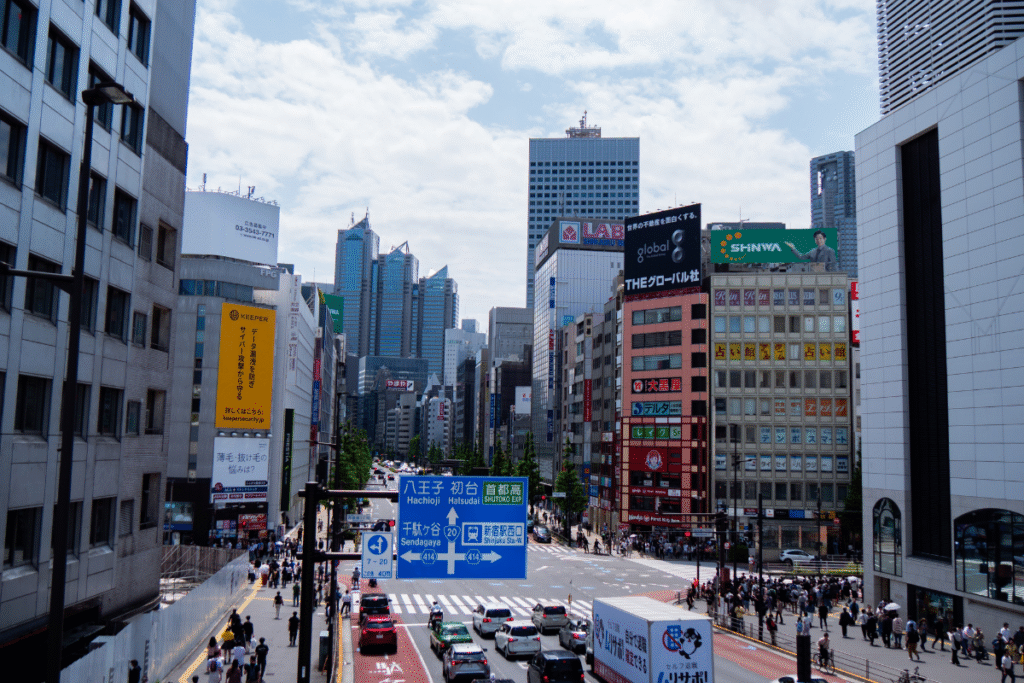
Tokyo for convenience and community
If you want meetups, events, international cafés, and every service you can imagine, Tokyo makes life simple. It’s also the easiest place to land for a first trip, because logistics are straightforward and you can solve any problem quickly.
If you also like to mix travel, visit & work, you’ll have plenty of things to do in Tokyo!
Osaka for friendly vibes and a central location
Osaka is social, food-driven, and well-connected for weekend trips. It’s a great option if you want city life without the same intensity as Tokyo. It’s a also strong hub for exploring Kansai.
Kyoto for culture, with a slower daily rhythm
Kyoto is beautiful and inspiring, especially if you like morning walks and quieter neighborhoods. The tradeoff is that central areas can be crowded and short-term housing can be pricey, so it often works best if you choose your neighborhood carefully.
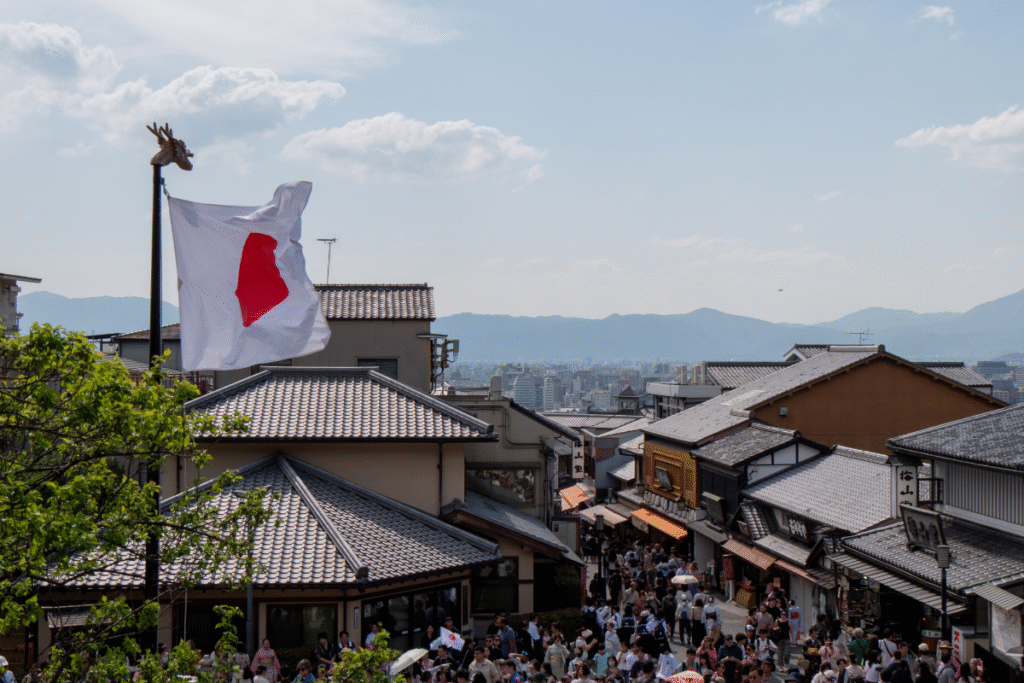
Fukuoka for an easy, liveable city base – with some digital nomad Japan meetings
Fukuoka has a relaxed pace for a major city, solid food culture, and quick access to nature. It’s a good choice if you want something urban but not overwhelming.
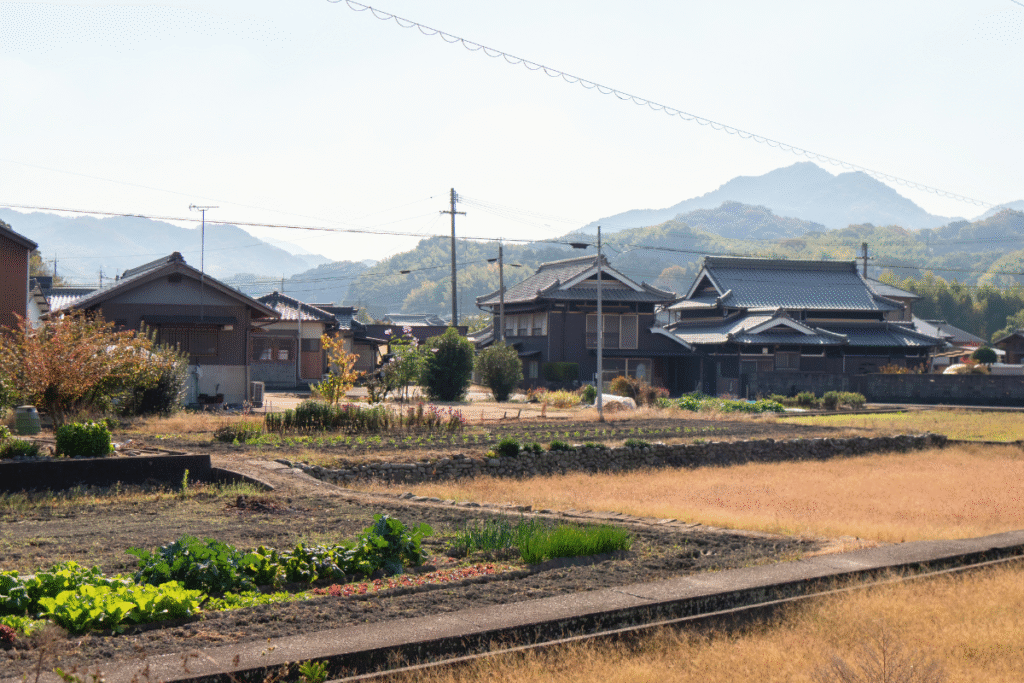
Kotohira for countryside routine and deep focus
If your goal is to build a healthy routine and make real progress on work, Kotohira is a strong choice. It’s calm, walkable, and it gives you that countryside Japan feeling while still keeping day trips and bigger-city access realistic. It’s also the kind of base where you can stay longer without feeling like you’re constantly spending.
Sapporo for cooler weather and seasonal focus
If you struggle with heat or you simply work better in cooler air, Sapporo can be a smart seasonal base. It’s also a good pick if you like a city that feels spacious.
Okinawa for island life
Okinawa is a great pick if you want island vibes without giving up city convenience. Naha is a real city, so you still get cafés, gyms, shops, and easy logistics, but you’re never far from beaches. It’s especially good for people who like a warmer weather, and a lifestyle built around the ocean. Think swimming, snorkeling, diving, surfing, SUP, and boat trips, with relaxed evenings and a slower pace than the main islands.
A simple way to choose for your digital nomad Japan stay
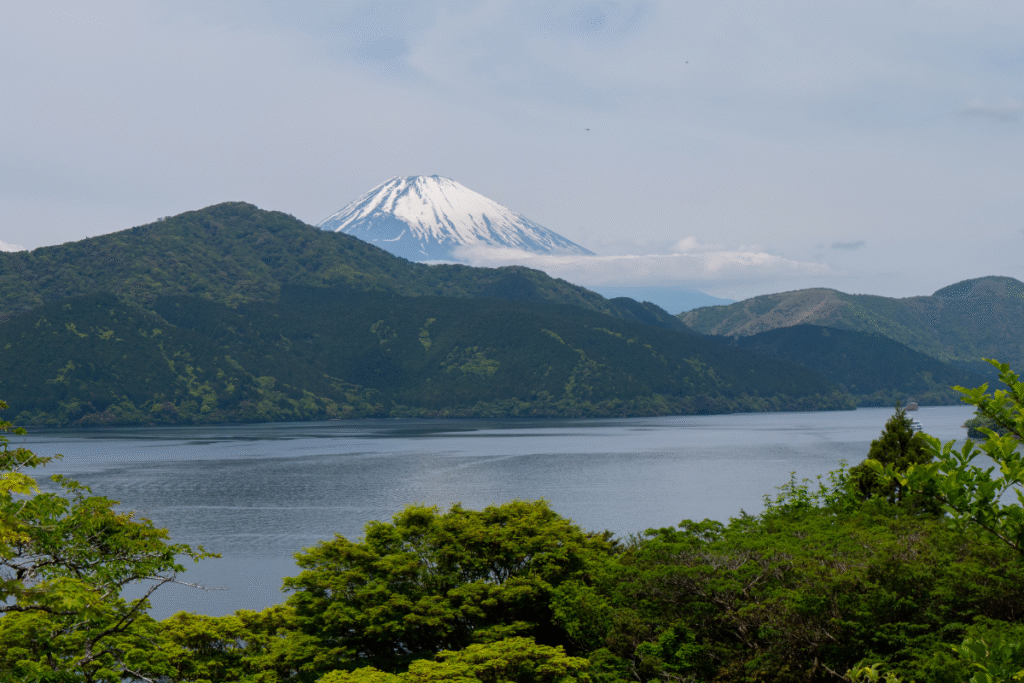
Pick Tokyo or Osaka if you want community and convenience. Choose Kyoto or Fukuoka for a softer city rhythm. Prefer Kotohira if you want the countryside experience, stronger focus, and a budget that’s easier to control.
Quick planning checklist for your digital nomad Japan experience
1 – Pick your base first, because location is what changes the whole budget and daily routine. If it’s your first time, starting in a big hub for one or two weeks can make setup easier, then you can move to a calmer place to focus.
2 – Make sure your visa plan matches your timeline. If you’re visiting short-term, keep travel as the main purpose and work as a side thing. If you want a longer work-focused season, look into the official options before you book accommodation.
3 – Book accommodation with work in mind. Check desk space, noise, and Wi-Fi reviews, and avoid moving too often. One base with day trips is usually the sweet spot for both cost and productivity.
4 – Sort your connectivity before you land. An eSIM that allows hotspot makes day one simple, and a backup option is smart if you have important calls.
5 – Choose the right season for your style. Spring and autumn are the most comfortable for walking and day trips, summer is hot and humid in many regions, and winter is great if you want snow scenes or a cooler work rhythm in places like Hokkaido. Season also changes prices, crowds, and even how productive you feel week to week.
Check more informations about seasons in Kotohira!
6 – Plan your work week, then plan your Japan time. Choose two or three weekend trips you really care about, and keep the rest flexible so you don’t turn the whole stay into logistics.
Final thoughts
Japan can be as intense or as calm as you want it to be. If you choose the right base, get your connectivity sorted from day one, and travel by day trips instead of moving every week, it’s a place where you can work well and still feel like you’re living something special.
Do a city phase for energy, then give yourself a quieter chapter in regional Japan. Towns like Kotohira are perfect for that slower rhythm, with the kind of routine and community that make a longer stay feel natural.
Being a digital nomad in Japan for a month or for 6 month is definitely a must experience every remote worker should do one day! A beautiful country with such history, culture and specific vibes. Lots of people want to travel Japan but living in Japan, immersed in the daily life is way much better.
FAQ – Digital Nomad Japan
Can I come as a tourist and still work online from cafés or coworking spaces?
It’s doable but… Tourist entry is meant for travel, and it’s not designed as a work status. In real life, many people do short trips and keep up with emails or client work, but the safest approach is to keep work light and clearly secondary to tourism. If you want to base yourself in Japan mainly to work full-time for months, it’s better to look at a proper visa option.
How long can I stay on tourist entry?
It depends on your passport, but for many visitors it’s up to 90 days per entry. If you try to do repeated long stays, you can face more questions at immigration, so it’s smarter to plan one clean trip or use an appropriate visa for a longer season.
What’s the Japan digital nomad visa and who is it for?
Japan has an official remote-work option under Designated Activities, built for people working for non-Japanese companies or clients. It’s designed for a short, structured stay (up to 6 months) and comes with higher requirements like income and private insurance.
Is Japan expensive for remote workers?
It can be, but it doesn’t have to be. Your location is the main budget lever. Tokyo and central tourist zones push costs up fast, while smaller cities and countryside towns can feel much more affordable with a better day-to-day lifestyle. In daily life, food, activity and transportation are very affordable.
Is the internet reliable enough for video calls?
In most places, yes. Cities are very easy, and many regional areas are solid too. The simplest plan is to arrive with an eSIM that supports hotspot, then upgrade if you realise you need more data.
Should I use a coworking space or cafés?
Both work. Cafés are fine for lighter days, while coworking is better for long calls, focus, and routine. Many people mix them to keep costs down without losing productivity.
What’s a good countryside base in Japan if I want to focus?
If you want calmer days, lower costs, and a real local feel, regional Japan is ideal. Kotohira is a strong choice if you like walkable towns, nature nearby, and a routine that makes it easier to work consistently.
Which season is best for a longer stay?
Spring and autumn are the easiest for comfort and day trips. Summer is hot and humid in many areas (better if you want beaches and water activities), and winter is great if you want snow scenes or cooler working weather, especially in Hokkaido.
About the author
Manon, is a digital nomad and content creator. She lives between time zones, works between getaways, and shares the beauty of this joyful mess.