
Seasons in Kotohira shape how the town feels and how you plan your work days. This quick guide shows what to expect each season so you can time your trip for the weather, flowers, and key events.
Table of Contents
- Spring season in Kotohira
- Summer in Kotohira
- Autumn in Kotohira
- Winter season in Kotohira
- Conclusion
- FAQ
Spring season in Kotohira
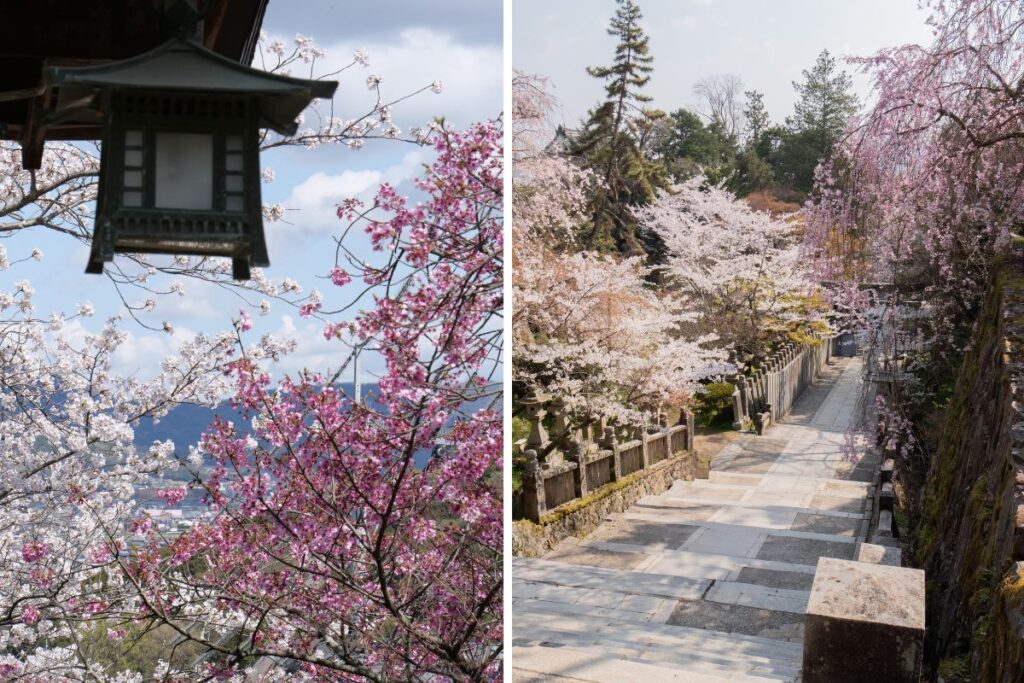
March to May is mild by day and cool at night. If you plan to visit Kotohira in spring, pack light layers and rain jacket. Cherry blossom season usually lands from late March to early April. The best time to enjoy sakura along the approach to Kotohira-gu. If you are up for it, grab a coffee and climb the steps early for soft light and fewer people!
Spring also brings the Shikoku Konpira Kabuki at Kanamaruza, a rare chance to see kabuki in Japan’s oldest surviving playhouse.
→ Learn more about Shikoku Konpira Kabuki and the historic theater in Kotohira.
Don’t miss
On a sunny day, bring a picnic for a hanami lunch under the cherry trees. When petals start to fall, the breeze fills the air with blossoms. It is a simple, magical break between tasks.
Plan your day
Work a focused morning block, take a walk in or around Kotohira at lunch, then slide back into deep work in the afternoon.
Summer in Kotohira
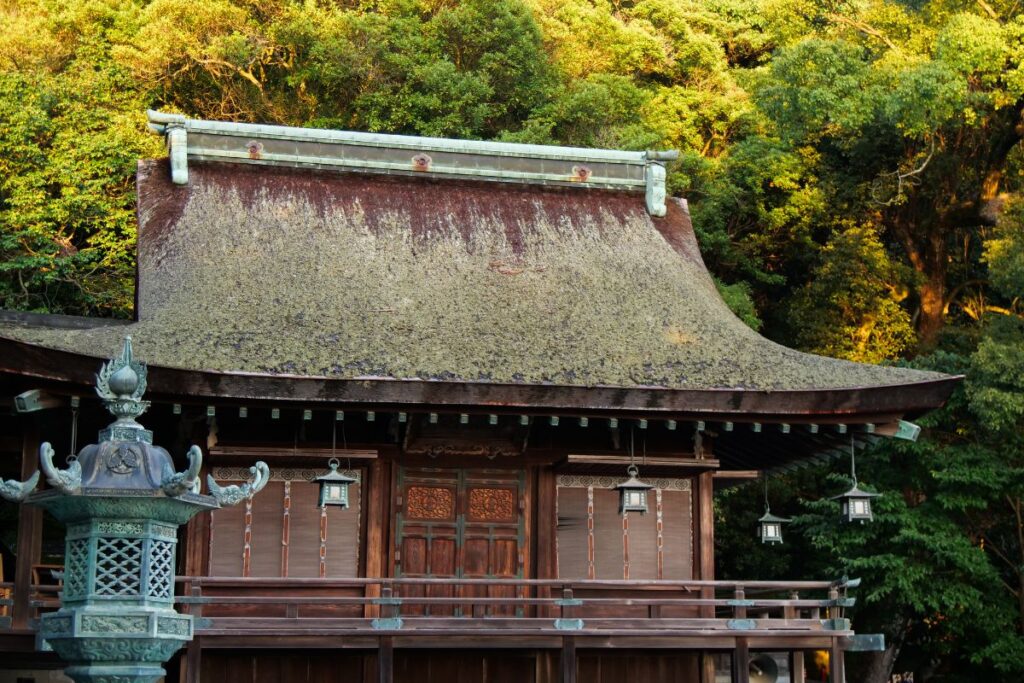
June to August is warm to hot and humid. The rainy season usually runs from late May or early June to mid July, with quick showers that clear to bright afternoons. Early mornings feel best for stairs and walks ; midday is for shade and A/C. So pack breathable clothes, sunscreen and a light rain jacket in your backpack.
Summer is for simple routines: save an early slot for the Kotohira-gu steps, then cool down with iced coffee or kakigori. On cooler days, ride a bike through the rice fields or take a short trip for a beach stroll. Check local boards for small shrine nights or seasonal pop ups.
→ Checkout our ideas of itinerary around Kagawa prefecture.
Don’t miss
An early climb to Kotohira-gu before breakfast, then a slow café session while the day heats up.
Plan your day
Work a focused block in the morning, break for lunch and a short rest during peak heat, then shift to a café or coworking session in the late afternoon. Evenings are good for walks and casual meetups.
Autumn in Kotohira
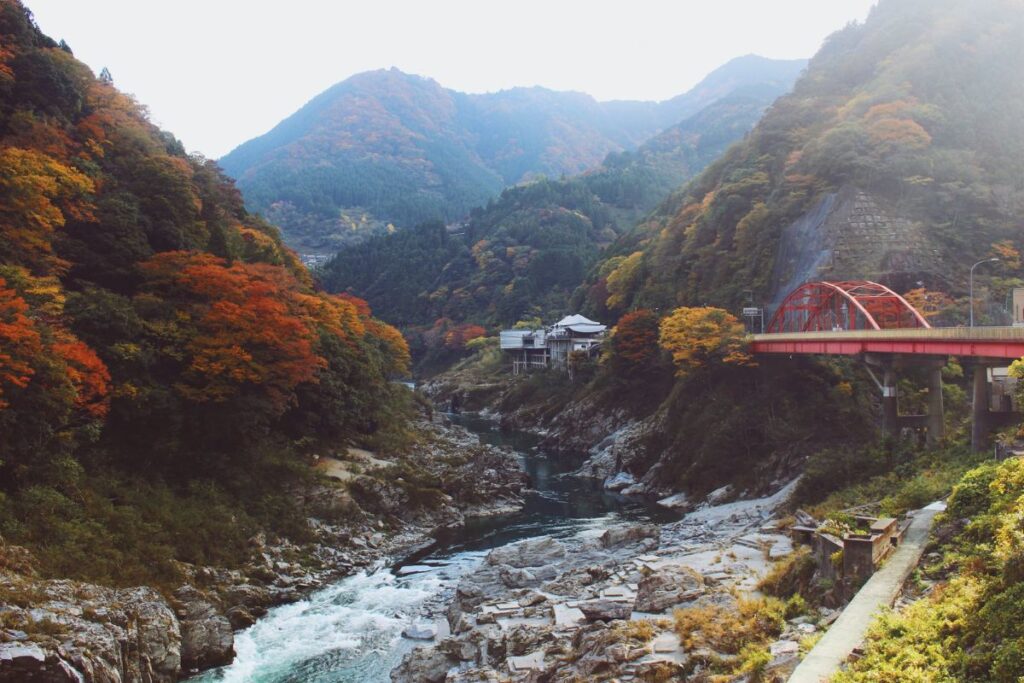
September to November stays pleasantly warm, often right up to mid November, with sunny daytime highs around 25°C. Pack a light jacket for evenings, but expect plenty of T-shirt afternoons.
Autumn colors arrive from late October into November. The shrine approach and nearby rice fields are extra photogenic.
Autumn’s headline is the Kotohira-gu Grand Festival on October 9 to 11, with sacred processions and lively streets. Book early if your dates overlap and expect more people in town.
On a rest day, take a half-day or full-day trip to Ritsurin Garden in Takamatsu, Naoshima art island, or the colourful Iya Valley.
Don’t miss
The Kotohira-gu Grand Festival. Aim for the evening mikoshi procession around October 10 or 11.
Plan your day
Deep work in the morning, festival or foliage time after lunch, then a calm early evening session back at a café or coworking.
Winter season in Kotohira
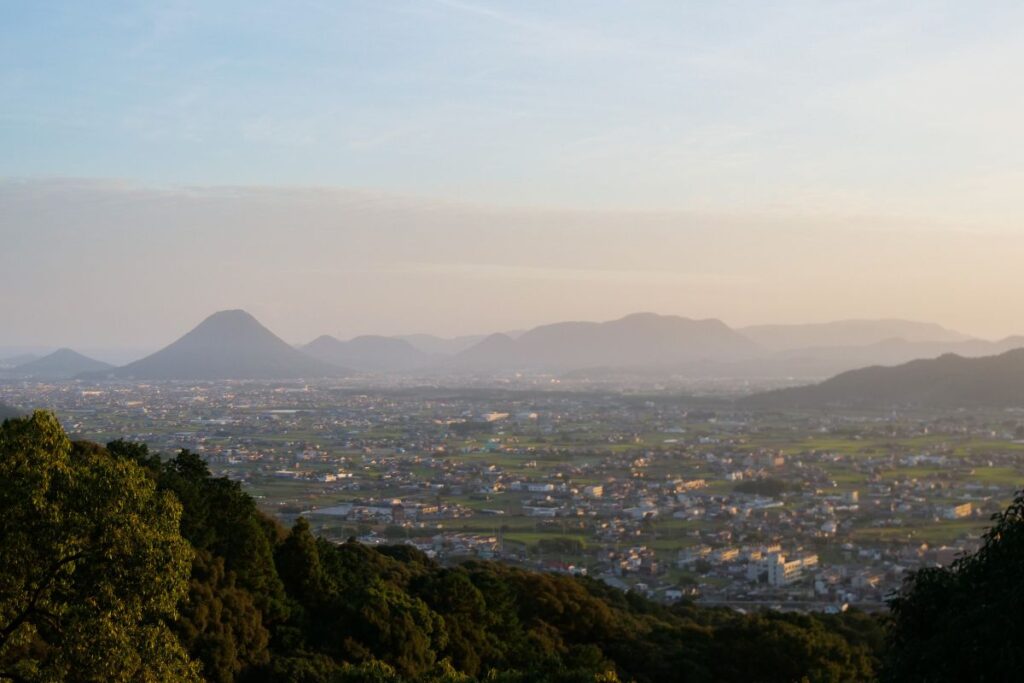
December to February is crisp and generally dry. Pack warm layers, a hat and gloves. Crowds thin out, which makes it a good season for focused work and quiet visits to Kotohira-gu. Sunny midday windows are best for outdoor breaks.
Winter highlights include Hatsumode, the first shrine visit of the New Year, when locals and visitors climb to Kotohira-gu in early January. In early February, Setsubun bean throwing marks the turn toward spring.
Between work blocks, warm up with udon, soak in an onsen nearby, or take a day trip for sea views.
Snow in town is rare. You might see a light dusting that melts quickly. If you want real snow, head to higher elevations. The Iya Valley and the Mount Tsurugi area in Tokushima often get winter snow, and mountain areas in Shikoku offer chances for sledding or skiing when conditions are right. Start early, check forecasts, and plan your return before dark.
Don’t miss
An early January shrine visit if you are in town for New Year. Aim for off-peak hours, then reward yourself with a hot bowl of sanuki udon.
Plan your day
Start with a focused morning, step out for a sunny midday walk, then settle into a long afternoon session. Evenings are for hearty meals and an early night.
Conclusion
Seasons in Kotohira shape how you plan work, walks, and weekends. Spring brings blossoms and kabuki, autumn delivers blue skies and the October festival, summer rewards early starts, and winter is calm with New Year rituals. Pick the vibe you want, set a simple routine, and enjoy the town between calls.
→ Organise your trip: checkout our full digital nomad guide to Kotohira!
FAQ – Seasons in Kotohira
What is the best season for remote work in Kotohira
Spring and autumn. Comfortable temps, long daylight, and headline events to enjoy after work.
When do cherry blossoms usually bloom?
Late March to early April, with the best viewing along the approach to Kotohira-gu.
When is the rainy season in Kotohira?
Typically late May or early June to mid July. Plan indoor work blocks and carry a light rain jacket.
Does it snow in Kotohira?
Rarely, and it melts fast. For real snow or winter sports, head to higher elevations like the Iya Valley or Mount Tsurugi.
Which events should I not miss?
Shikoku Konpira Kabuki in spring at Kanamaruza, and the Kotohira-gu Grand Festival from October 9 to 11.
What should I pack?
Shikoku Konpira Kabuki in spring at Kanamaruza, and the Kotohira-gu Grand Festival from October 9 to 11.
Are work spots open all year-round?
Yes. Cafés operate across seasons, and Kotori coworking and hostels in Kotohira runs year-round for stable Wi-Fi and call-friendly booths.
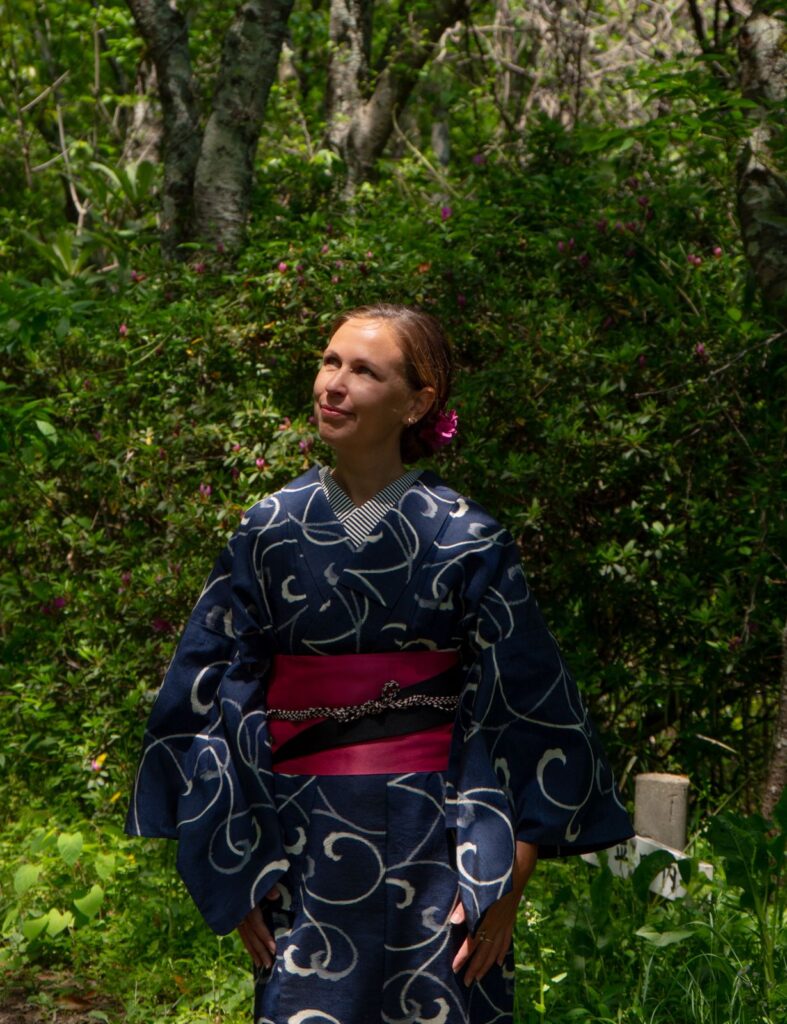
About the author
Manon, is a digital nomad and content creator. She lives between time zones, works between getaways, and shares the beauty of this joyful mess.